Era I · 987–1328
The Capetians
Hugh Capet's descendants passed the crown from father to son for over three hundred years, rising from weak lords of the lands around Paris to the most powerful monarchs in western Europe; Philip Augustus won back Normandy, and Louis IX became the only French king to be made a saint.
Overview
Hugh Capet, king from 987, really controlled only the Île-de-France around Paris and Orléans; many dukes and counts held more land than he did. The Capetians' great strength was their sons: kings often had their eldest crowned in their own lifetime, so the crown passed smoothly from father to son for fourteen generations.
In 1152 Louis VII divorced Eleanor of Aquitaine, who promptly married Henry, Count of Anjou — soon to be Henry II of England — so that the English king held more of France than the French king did. Philip II, called Augustus, took Normandy from King John of England in 1204 and won a great victory at Bouvines in 1214, vastly increasing royal power.
Louis IX — Saint Louis — was devout and just; he built the Sainte-Chapelle to house the Crown of Thorns, led two crusades, died of disease at Tunis in 1270, and was later canonised. Philip IV the Fair centralised power ruthlessly: he clashed with Pope Boniface VIII, summoned the Estates General in 1302 to rally support, brought the papacy to Avignon, and in 1307 ordered the arrest of the Knights Templar.
But Philip IV's three sons reigned in turn and none left a son. In 1328 the direct male line of the Capetians died out. The French nobles chose Philip IV's nephew, Philip VI of Valois, rather than his grandson through his daughter, King Edward III of England — sowing the seeds of the Hundred Years' War.
Imperium
The Changing Map
- Royal domain
- Great fiefs, nominally the king's vassals
- Holy Roman Empire
- French royal domain
- Lands of Henry II of England
- Other great fiefs
- Holy Roman Empire
- French royal domain
- Lands of the English king
- Semi-independent duchies and counties
- Holy Roman Empire
Borders are indicative only, approximated from modern administrative regions.
987
The accession of Hugh Capet (987)
The new dynasty ruled directly only a small strip of land between Paris and Orléans. The great lords of Normandy, Brittany, Aquitaine, Toulouse, Burgundy, Champagne and Flanders were the king's vassals in name but often stronger than he was. To the east, Lorraine, the kingdom of Burgundy and Provence belonged to the Holy Roman Empire.
1180
The Angevin empire (1180)
Henry II of England was Duke of Normandy and Count of Anjou, held Aquitaine through his wife Eleanor, and married his son to the heiress of Brittany. He held far more of France than his overlord, King Louis VII.
1328
The end of the direct Capetians (1328)
Philip Augustus won back Normandy and Anjou, Louis VIII conquered Languedoc, Philip III inherited Toulouse and Philip IV acquired Champagne and Lyon. By 1328 the royal domain covered most of France; the English king kept only Gascony, while Brittany, Burgundy and Flanders remained powerful, semi-independent principalities.
Stemma
Family Tree
The principal figures of this era. Gold frames mark kings and emperors of France; diamonds mark marriages. Select a person to open their entry.
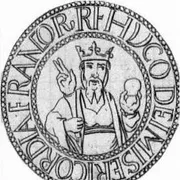 Hugh Capet940–996
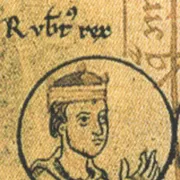 Robert II972–1031
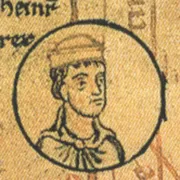 Henry I of France1008–1060
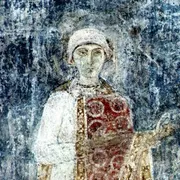 Anne of Kiev1030–1075
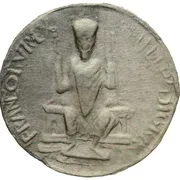 Philip I of France1052–1108
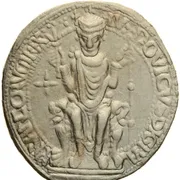 Louis VI1081–1137
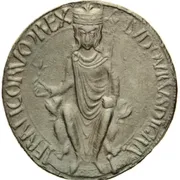 Louis VII1120–1180
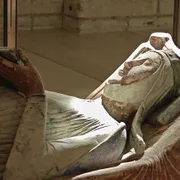 Eleanor of Aquitaine1124–1204
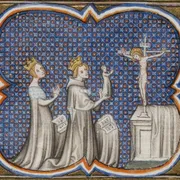 Adela of Champagne1140–1206
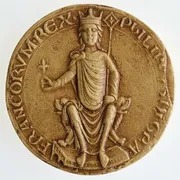 Philip II Augustus1165–1223
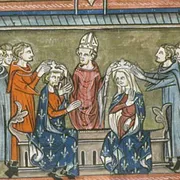 Louis VIII1187–1226
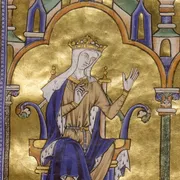 Blanche of Castile1188–1252
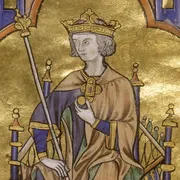 Louis IX1214–1270
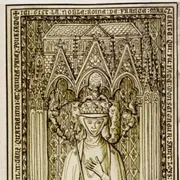 Margaret of Provence1221–1295
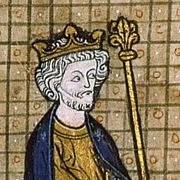 Philip III of France1245–1285
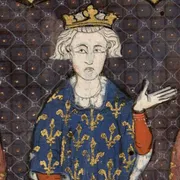 Philip IV of France1268–1314
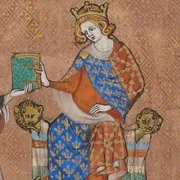 Louis X1289–1316
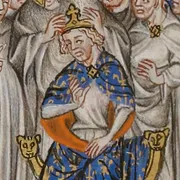 Philip V of France1293–1322
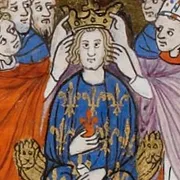 Charles IV of France1294–1328
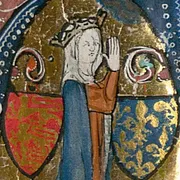 Isabella of France1295–1358
Chronica
Chronology
- 9873 July 987
Hugh Capet crowned
After the Carolingian Louis V died in a hunting fall, the nobles chose Hugh Capet, Count of Paris, as king. His male-line descendants would rule France until 1848.
- 106614 October 1066
The Duke of Normandy conquers England
William, Duke of Normandy, defeated Harold at Hastings and became King of England. From then on the English king was also the French king's vassal, entangling the two crowns for centuries.
- 109527 November 1095
The pope preaches the Crusade at Clermont
Pope Urban II called for a crusade at Clermont in central France. French knights formed the core of the First Crusade, which took Jerusalem in 1099.
- 115221 March 1152
Louis VII divorces Eleanor of Aquitaine
Two months after the annulment Eleanor married Henry of Anjou — King Henry II of England two years later — taking the whole duchy of Aquitaine with her.
- 1163
Building of Notre-Dame begins
Bishop Maurice de Sully began the cathedral of Notre-Dame de Paris; building went on for nearly two centuries, producing a masterpiece of Gothic architecture.
- 1204
Philip Augustus takes Normandy
Philip II stormed Château Gaillard and took Normandy from King John of England, followed by Anjou and other lands.
- 121427 July 1214
Battle of Bouvines
Philip II defeated the coalition of Emperor Otto IV, King John and the Count of Flanders, establishing the Capetians as a leading power in western Europe.
- 124826 April 1248
Sainte-Chapelle consecrated
Louis IX built the Sainte-Chapelle on the Île de la Cité to house the Crown of Thorns, bought from Constantinople. That year he set out on the Seventh Crusade.
- 127025 August 1270
Saint Louis dies at Tunis
Louis IX died of disease on the Eighth Crusade. Canonised in 1297, he is the only French king to have been made a saint.
- 130210 April 1302
First Estates General
In his quarrel with Pope Boniface VIII, Philip IV gathered clergy, nobles and townsmen at Notre-Dame to rally the kingdom behind him.
- 130713 October 1307
Arrest of the Templars
Philip IV ordered the simultaneous arrest of every Templar in France and seized their wealth; Grand Master Jacques de Molay was burned in Paris in 1314.
- 1309
The papacy moves to Avignon
The French pope Clement V settled at Avignon, where the popes would live for almost seventy years under the shadow of the French crown.
Personae
People of this Era
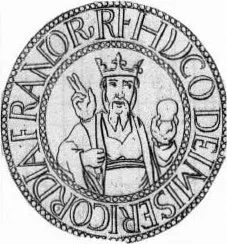 Hugh Capet940–996
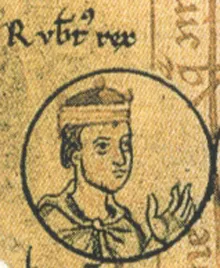 Robert II972–1031
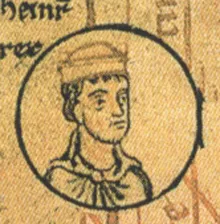 Henry I of France1008–1060
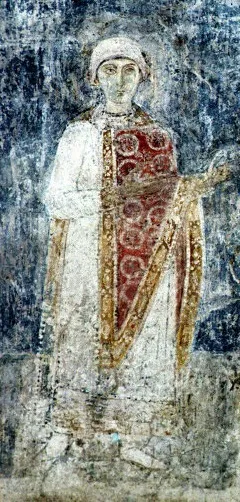 Anne of Kiev1030–1075
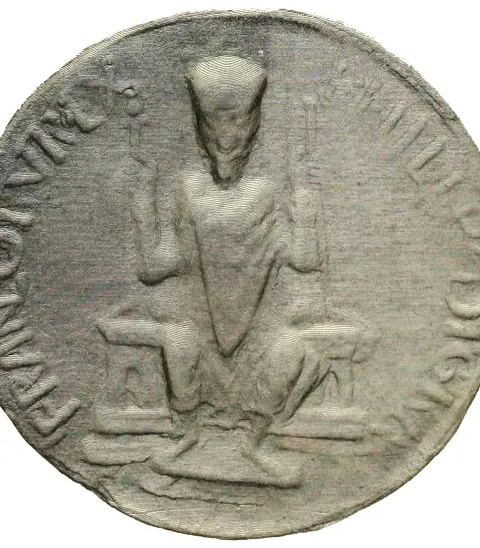 Philip I of France1052–1108
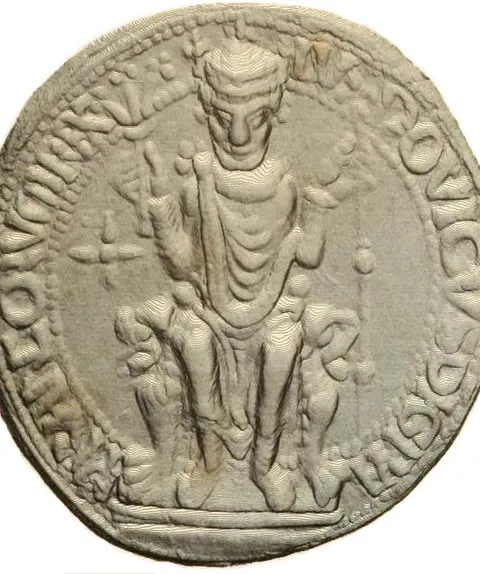 Louis VI1081–1137
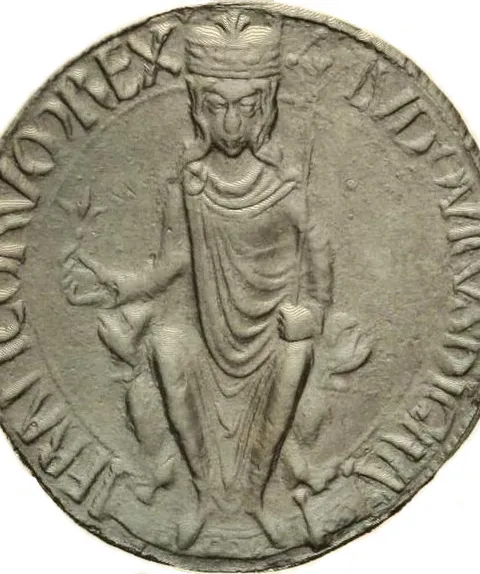 Louis VII1120–1180
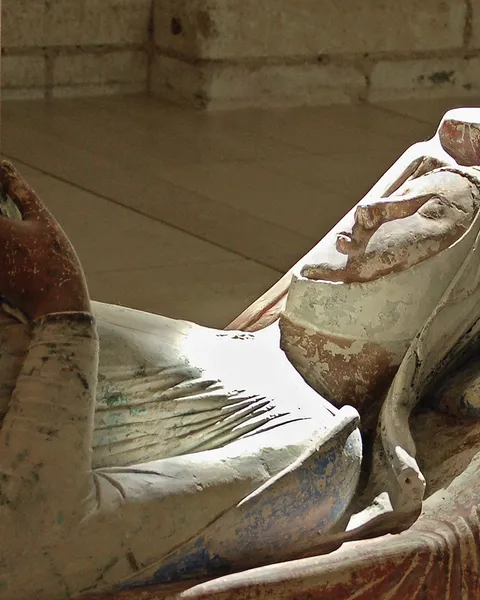 Eleanor of Aquitaine1124–1204
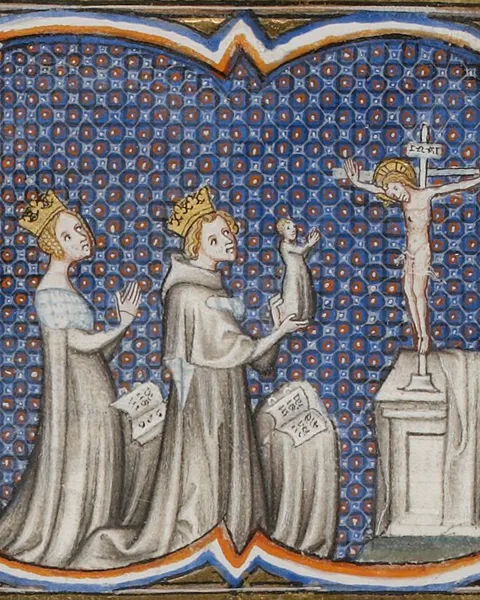 Adela of Champagne1140–1206
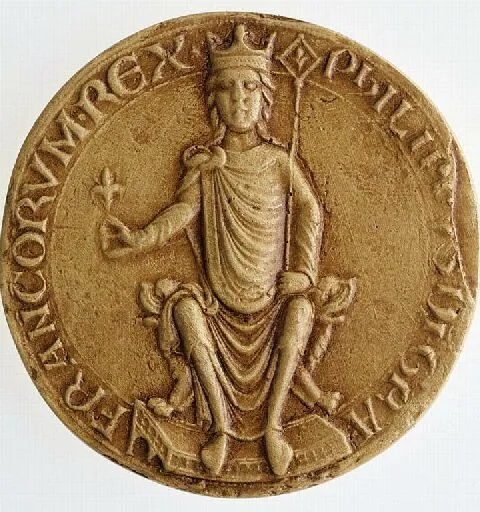 Philip II Augustus1165–1223
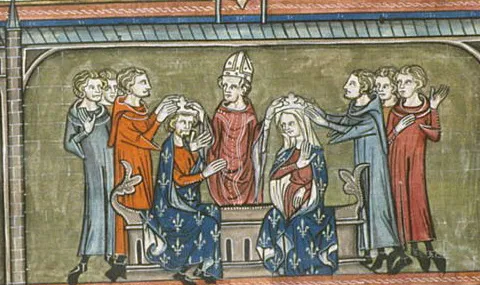 Louis VIII1187–1226
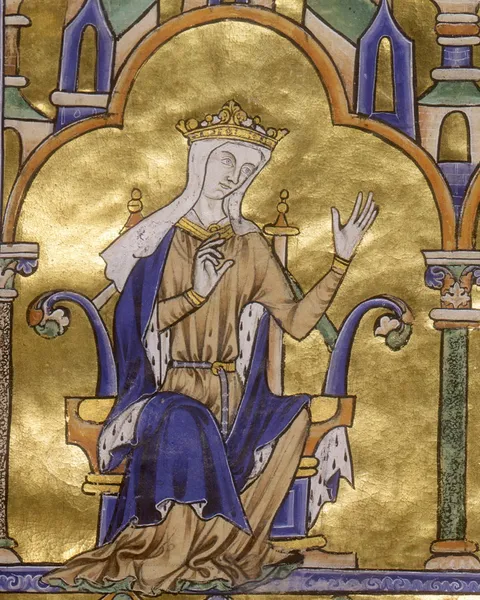 Blanche of Castile1188–1252
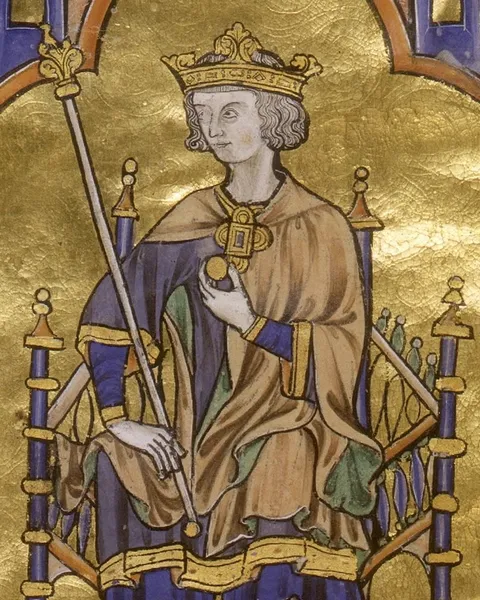 Louis IX1214–1270
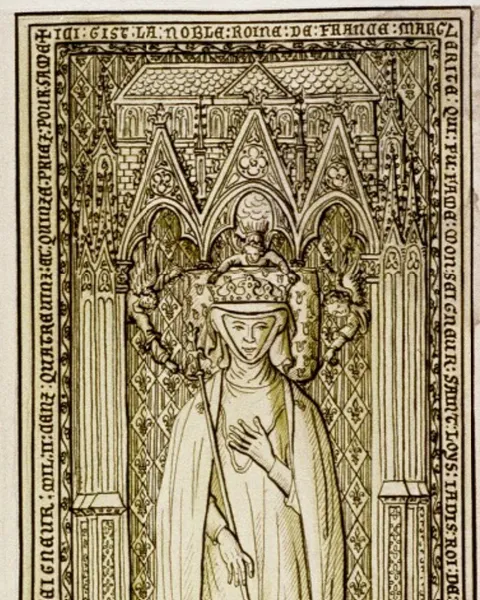 Margaret of Provence1221–1295
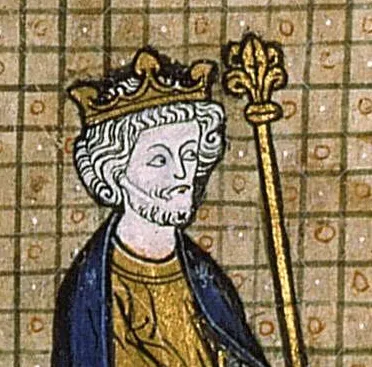 Philip III of France1245–1285
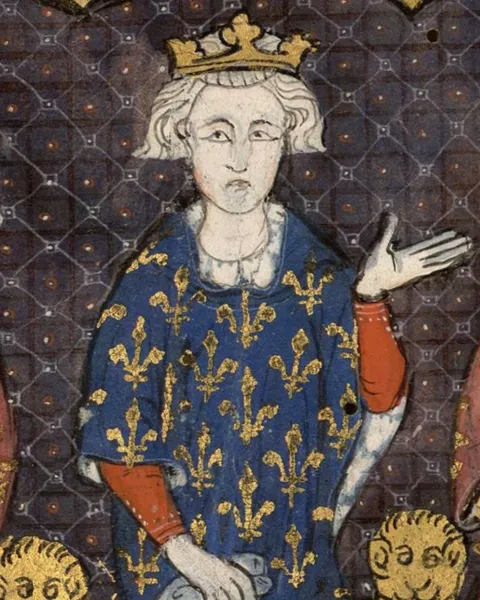 Philip IV of France1268–1314
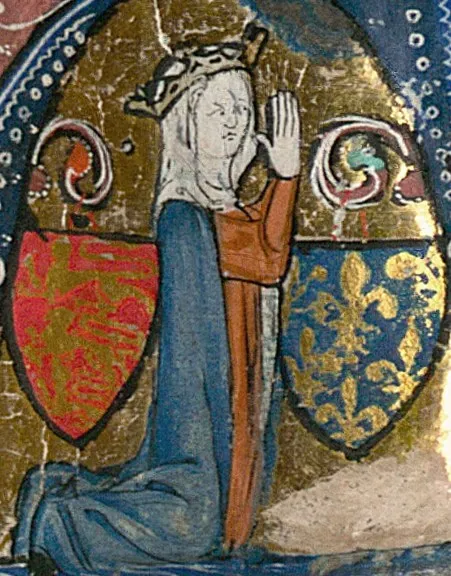 Isabella of France1295–1358
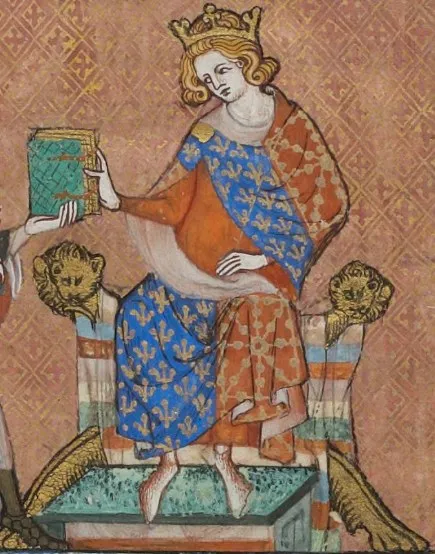 Louis X1289–1316
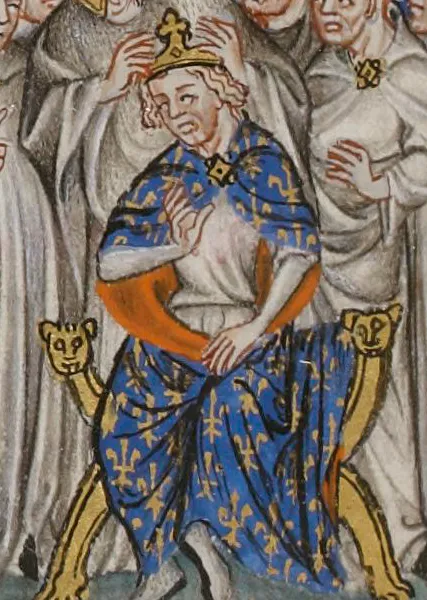 Philip V of France1293–1322
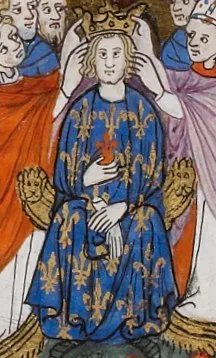 Charles IV of France1294–1328