Era II · 1328–1589
The Valois
France nearly perished in the Hundred Years' War until Joan of Arc turned the tide; the Valois kings then fought in Italy and brought home the Renaissance, before their dynasty ended amid the bloodshed of the Wars of Religion.
Overview
Edward III of England refused to accept Philip VI's accession, and in 1337 the Hundred Years' War began. The French were crushed at Crécy and Poitiers, where King John II was captured; Charles VI went mad, Henry V of England won a great victory at Agincourt in 1415, and the Treaty of Troyes made the English king heir to France. In 1429 Joan of Arc, a peasant girl, raised the siege of Orléans and escorted the Dauphin to Reims to be crowned Charles VII. By 1453 the English had lost every French possession except Calais.
Louis XI outwitted the mighty Charles the Bold, Duke of Burgundy, and in 1477 brought Burgundy under the crown. From 1494 Charles VIII, Louis XII and Francis I invaded Italy one after another, contending for mastery with the Habsburg Charles V. Francis I was defeated and captured at Pavia in 1525 — yet he also brought Leonardo da Vinci to France and built Chambord, and the Renaissance flowered in France.
In 1559 Henry II was killed in a jousting accident. His three sons reigned in turn, with their mother Catherine de' Medici long holding power. Protestantism — the Huguenots — was spreading fast, and in 1562 the Wars of Religion broke out. On St Bartholomew's night in 1572 Catholics in Paris massacred thousands of Protestants. In 1589 Henry III was assassinated; the Valois line was extinct, and the crown passed to the Protestant leader, King Henry of Navarre.
Imperium
The Changing Map
- Held by the Dauphin Charles (Charles VII)
- Held by the English
- Lands of the Duke of Burgundy
- Independent or neutral principalities
- French royal domain
- The Three Bishoprics, taken in 1552
- Habsburg lands
- Independent duchies
Borders are indicative only, approximated from modern administrative regions.
1429
On the eve of Joan of Arc (1429)
After the Treaty of Troyes the English held Paris, Normandy and Gascony, and their ally the Duke of Burgundy held Burgundy, Flanders and Champagne. The Dauphin Charles clung to the lands south of the Loire — "the King of Bourges" — while the English besieged Orléans on the Loire.
1559
The end of the Italian Wars (1559)
After the Hundred Years' War Louis XI took Burgundy and Provence, Brittany was formally united with France in 1532, Henry II seized the three bishoprics of Metz, Toul and Verdun in 1552 and took Calais from the English in 1558. Artois and Flanders to the north and Franche-Comté to the east belonged to the Habsburgs.
Stemma
Family Tree
The principal figures of this era. Gold frames mark kings and emperors of France; diamonds mark marriages. Select a person to open their entry.
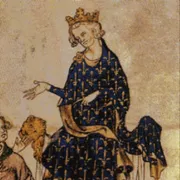 Philip VI of France1293–1350
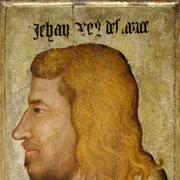 John II of France1319–1364
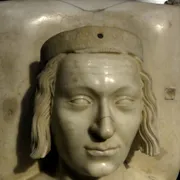 Charles V of France1338–1380
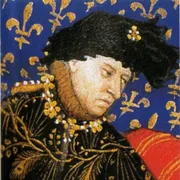 Charles VI of France1368–1422
 Isabeau of Bavaria1370–1435
 Charles VII of France1403–1461
 Joan of Arc1412–1431
 Louis XI1423–1483
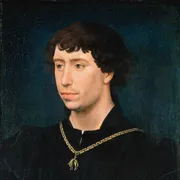 Charles the Bold1433–1477
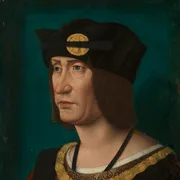 Louis XII1462–1515
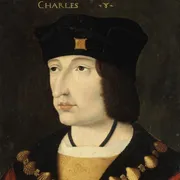 Charles VIII1470–1498
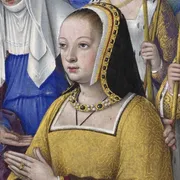 Anne of Brittany1477–1514
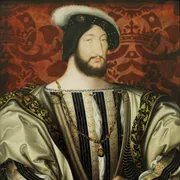 Francis I of France1494–1547
 Claude of France1499–1524
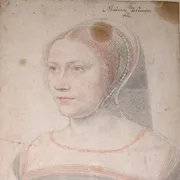 Diane de Poitiers1500–1566
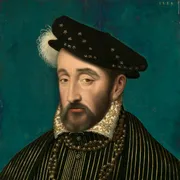 Henry II of France1519–1559
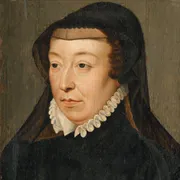 Catherine de’ Medici1519–1589
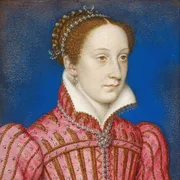 Mary, Queen of Scots1542–1587
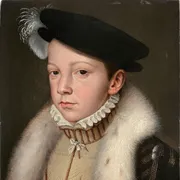 Francis II of France1544–1560
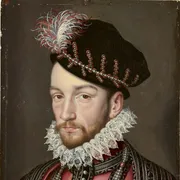 Charles IX1550–1574
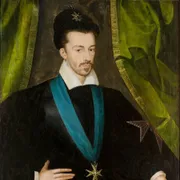 Henry III of France1551–1589
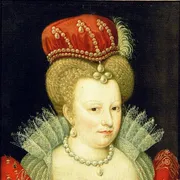 Marguerite de Valois1553–1615
Chronica
Chronology
- 1328
Philip VI of Valois succeeds
With the direct Capetian male line extinct, the nobles chose Philip IV's nephew, Philip of Valois, over Edward III of England, whose claim came through his mother.
- 1337
The Hundred Years' War begins
Philip VI confiscated the English king's duchy of Gascony; Edward III responded by claiming the French crown, and war followed on and off until 1453.
- 134626 August 1346
Battle of Crécy
English longbowmen routed the French knights; the next year the English took Calais, which they would hold for over two hundred years.
- 1348
The Black Death reaches France
Plague came ashore at Marseille and swept the country, killing perhaps a third or more of the population.
- 135619 September 1356
Battle of Poitiers
The Black Prince won a crushing victory and captured King John II, who was taken to London and ransomed for a vast sum.
- 141525 October 1415
Battle of Agincourt
Henry V of England won against heavy odds, and much of the French nobility fell. The Treaty of Troyes in 1420 made Henry heir to the French throne.
- 14298 May 1429
Joan of Arc relieves Orléans
Joan, a seventeen-year-old peasant girl, broke the English siege of Orléans; in July the Dauphin was crowned Charles VII at Reims.
- 143130 May 1431
Joan of Arc burned at Rouen
Captured by the Burgundians and handed to the English, Joan was condemned as a heretic and burned. She was rehabilitated in 1456 and canonised in 1920.
- 145317 July 1453
Battle of Castillon: the Hundred Years' War ends
French artillery defeated the English and Bordeaux was recovered. Of its French lands England kept only Calais.
- 14775 January 1477
Death of Charles the Bold
Charles the Bold, Duke of Burgundy, was killed at Nancy. Louis XI seized the duchy, but Charles's daughter Mary married the Habsburg Maximilian and took the Netherlands with her.
- 1494
Charles VIII invades Italy
Claiming the throne of Naples, Charles VIII marched into Italy, opening more than sixty years of Italian Wars.
- 151514 September 1515
Battle of Marignano
The newly crowned Francis I defeated the Swiss and won Milan.
- 1516
Leonardo da Vinci moves to France
Francis I invited Leonardo to live at Clos Lucé near Amboise; he brought the Mona Lisa with him and died there in 1519.
- 152524 February 1525
Battle of Pavia
Francis I was defeated and captured by the army of Emperor Charles V and taken to Madrid.
- 1539August 1539
Ordinance of Villers-Cotterêts
Francis I required legal and administrative documents to be written in French rather than Latin — the oldest French law still in force.
- 155910 July 1559
Henry II killed in a joust
At a tournament celebrating peace and a royal marriage, a splintered lance pierced Henry II's eye; he died ten days later. Queen Catherine de' Medici dominated the next thirty years.
- 15621 March 1562
The Wars of Religion begin
The Duke of Guise's men massacred Protestants at worship at Wassy, igniting civil war between Catholics and Huguenots — eight wars over more than thirty years.
- 157224 August 1572
St Bartholomew's Day massacre
As the Protestant leader Henry of Navarre married the king's sister Marguerite, Catholics in Paris massacred the Protestants who had come for the wedding; tens of thousands died across France.
Personae
People of this Era
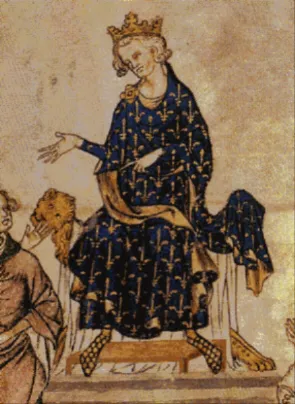 Philip VI of France1293–1350
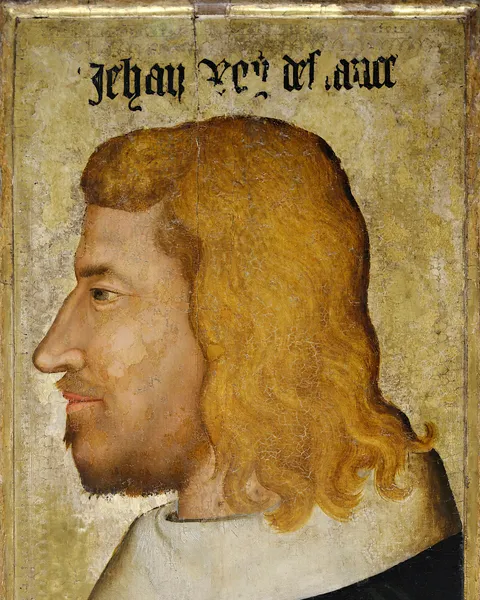 John II of France1319–1364
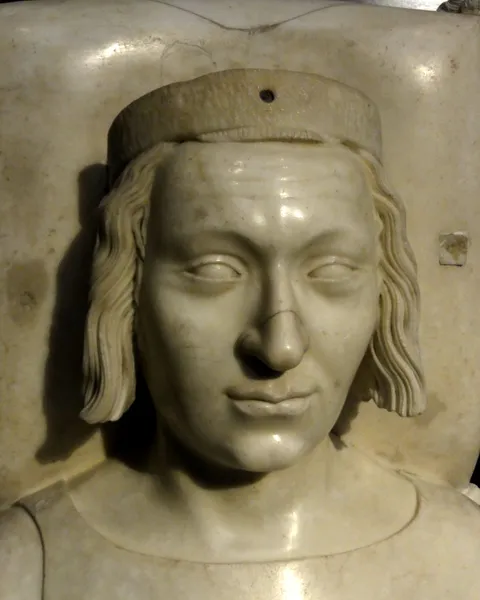 Charles V of France1338–1380
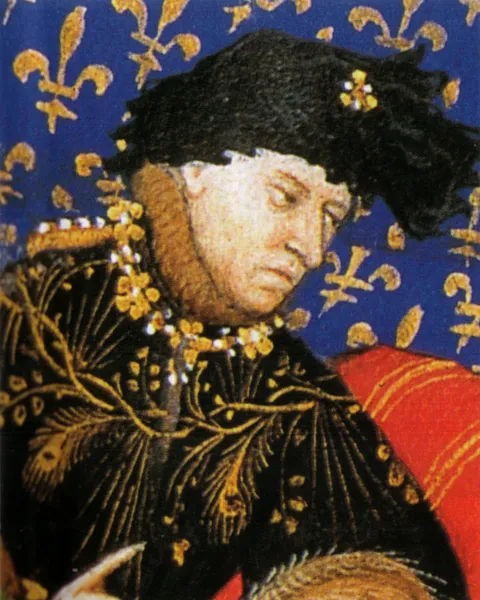 Charles VI of France1368–1422
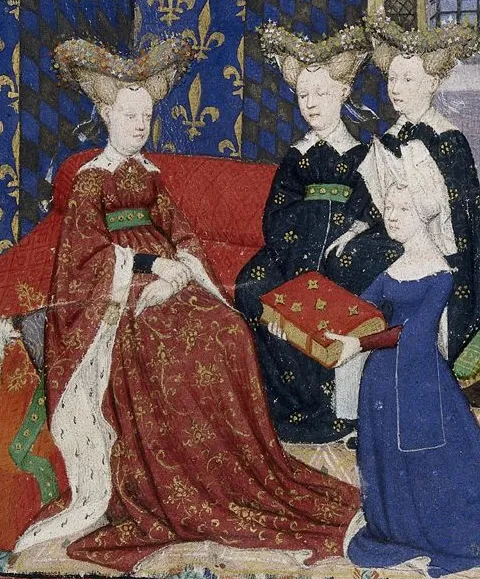 Isabeau of Bavaria1370–1435
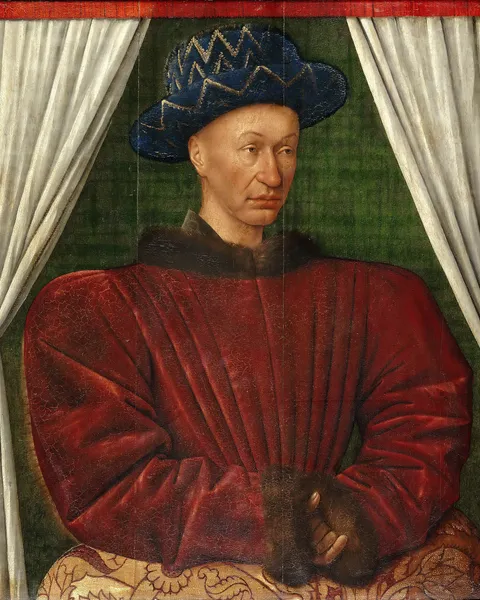 Charles VII of France1403–1461
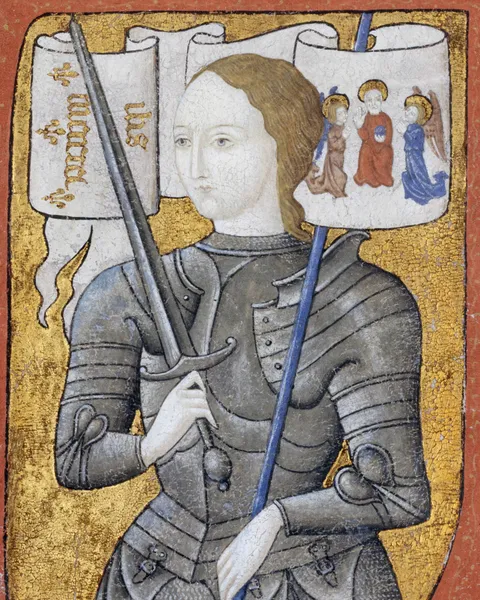 Joan of Arc1412–1431Biography
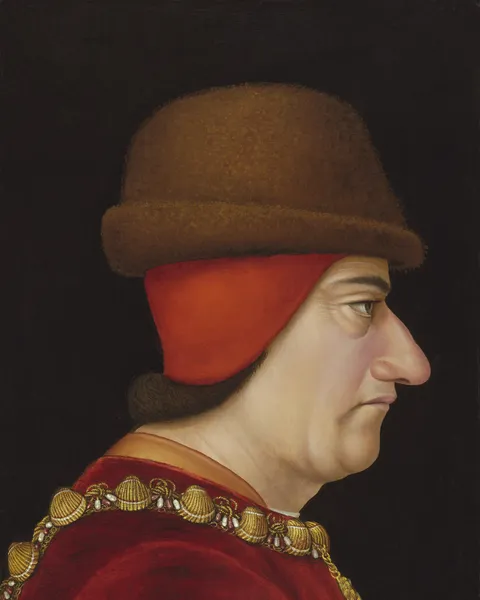 Louis XI1423–1483
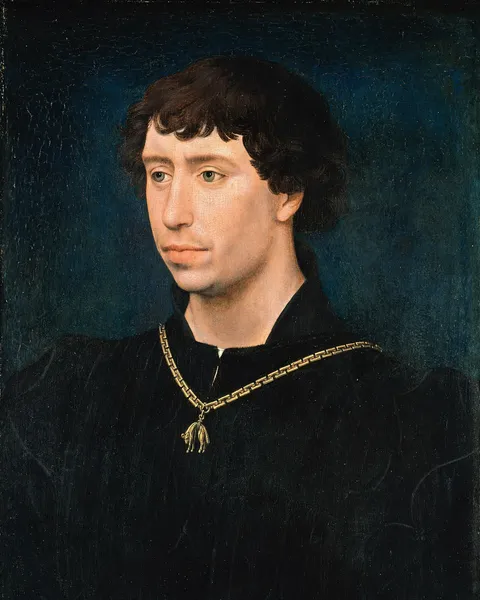 Charles the Bold1433–1477
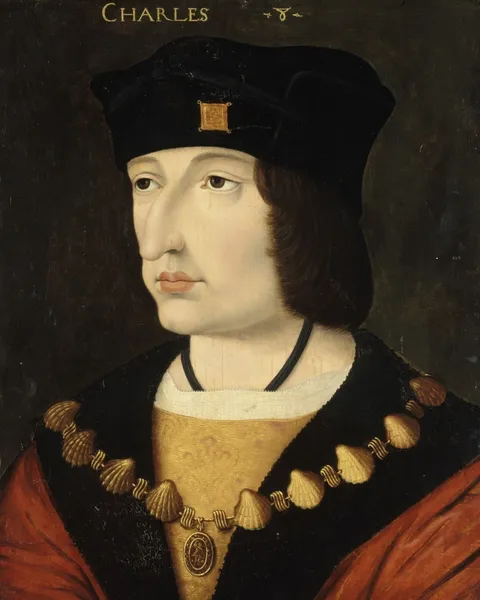 Charles VIII1470–1498
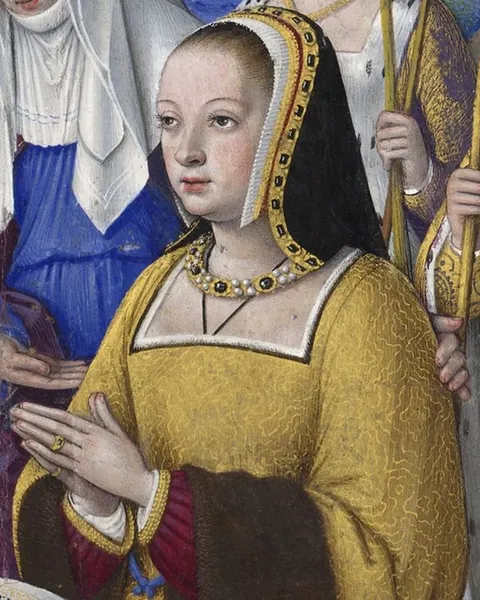 Anne of Brittany1477–1514
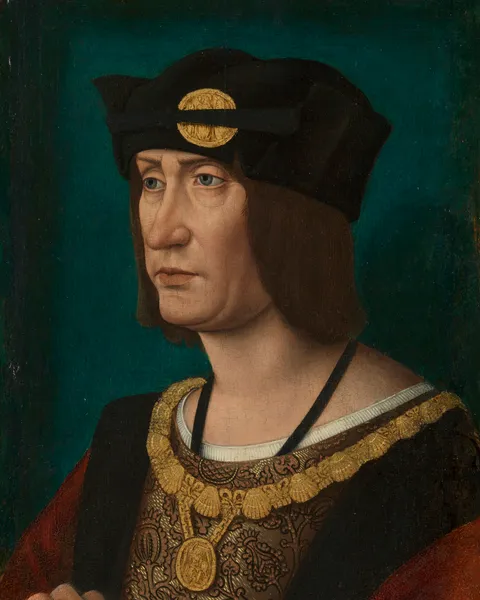 Louis XII1462–1515
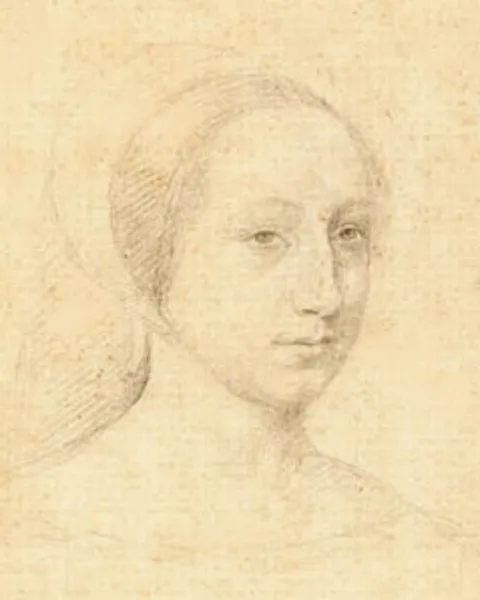 Claude of France1499–1524
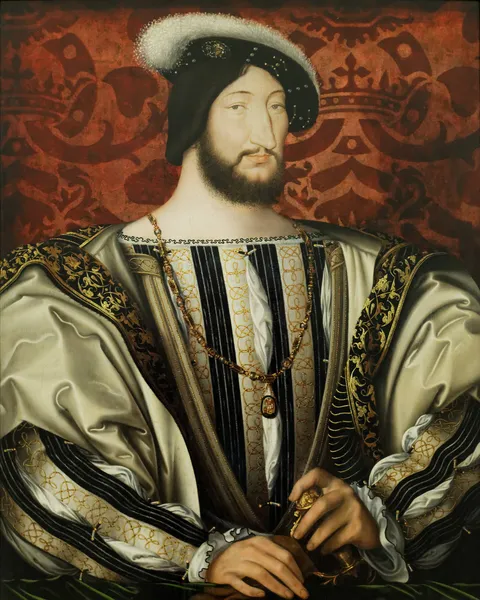 Francis I of France1494–1547Biography
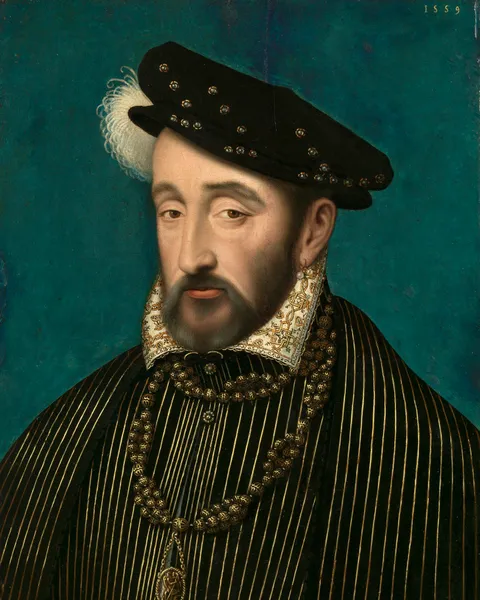 Henry II of France1519–1559
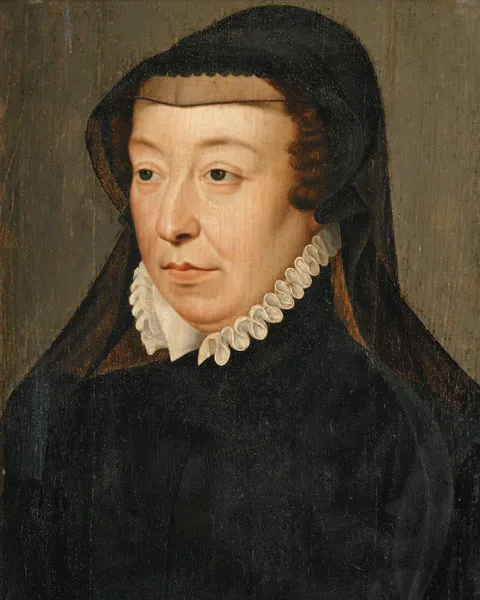 Catherine de’ Medici1519–1589
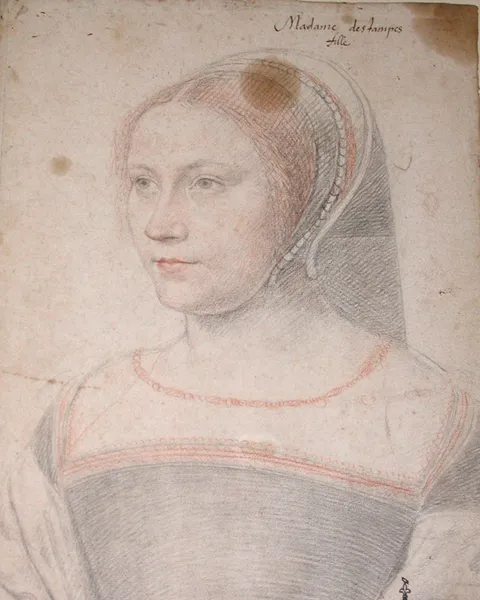 Diane de Poitiers1500–1566
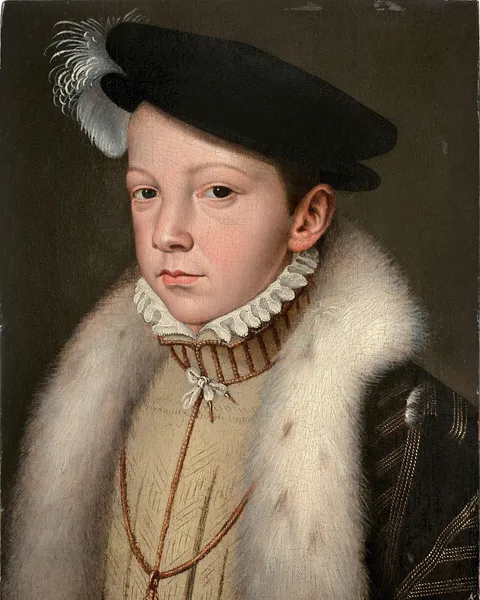 Francis II of France1544–1560
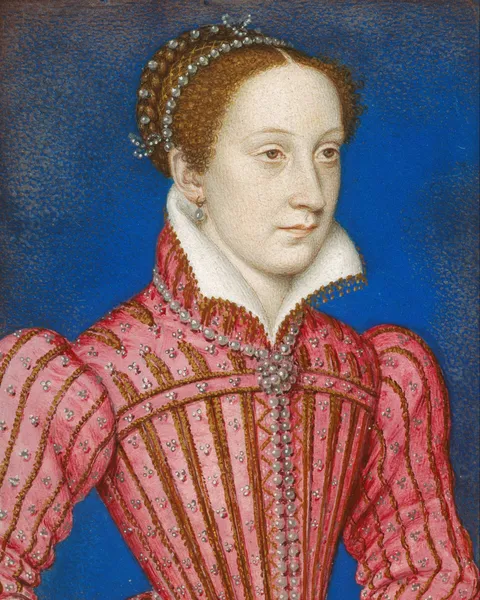 Mary, Queen of Scots1542–1587
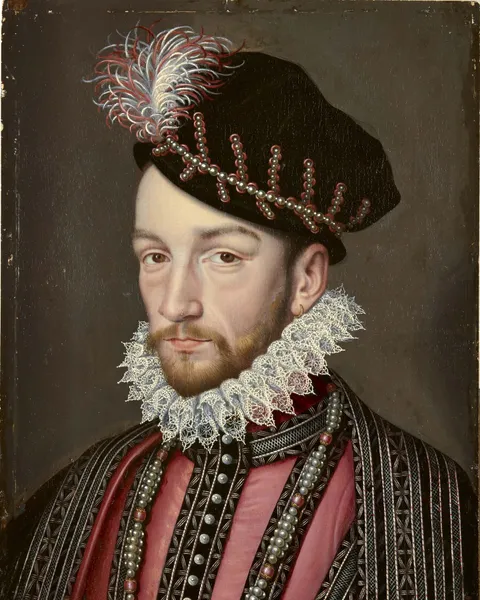 Charles IX1550–1574
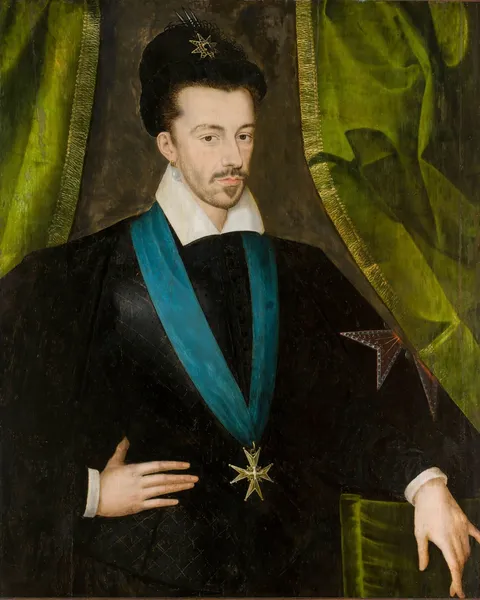 Henry III of France1551–1589
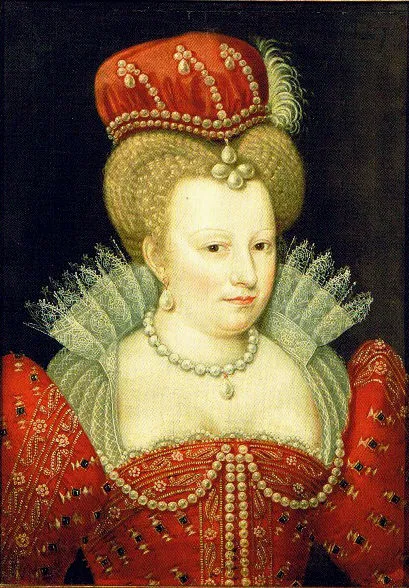 Marguerite de Valois1553–1615