Era III · 1589–1715
The Rise of the Bourbons
Henry IV ended the Wars of Religion, and two cardinals, Richelieu and Mazarin, strengthened the crown; Louis XIV ruled in person for over fifty years and, with Versailles as his stage, took absolute monarchy to its height.
Overview
When the Protestant Henry IV came to the throne, Catholic Paris refused to accept him. In 1593 he converted to Catholicism — "Paris is well worth a Mass," he is supposed to have said. In 1598 his Edict of Nantes granted Protestants freedom of worship, ending more than thirty years of religious war, and he worked to rebuild the economy, winning great popularity. He was assassinated in Paris in 1610.
Louis XIII came to the throne at nine and later relied on his chief minister, Cardinal Richelieu, who broke the power of the nobles and the Protestants and, in the Thirty Years' War, backed the Protestant powers against the Habsburgs, making France the strongest state in Europe. In 1643 the four-year-old Louis XIV succeeded, with his mother Anne of Austria and Cardinal Mazarin as regents; the rebellion of nobles and the Paris Parlement known as the Fronde twice forced the boy king to flee Paris — leaving him with a lifelong distrust of the nobility and of Paris.
When Mazarin died in 1661, Louis XIV announced that he would rule himself, with no chief minister. Taking the sun as his emblem, he built a vast palace at Versailles and moved the court there in 1682, keeping the nobles busy competing for his favour rather than plotting. His finance minister Colbert promoted trade and industry, while the king waged war after war to enlarge his borders; in 1685 he revoked the Edict of Nantes, and great numbers of Protestants fled abroad. In the same year he sent Jesuit mathematicians to China, opening contact with the Kangxi Emperor.
In 1700 the Spanish Habsburgs died out and Louis XIV's grandson inherited the Spanish throne, setting off the War of the Spanish Succession, which drained France. When Louis XIV died in 1715 after a reign of seventy-two years, his son and eldest grandson had both died before him, and the crown passed to his five-year-old great-grandson, Louis XV.
Imperium
The Changing Map
- France
- Lands of the Spanish Habsburgs
- Independent duchies and Imperial lands
- France in 1643
- Gained under Louis XIV
- Spain under the Bourbon Philip V
- Austrian Netherlands (from 1714)
- Independent duchies
Borders are indicative only, approximated from modern administrative regions.
1610
At the death of Henry IV (1610)
Henry IV merged his ancestral Bourbon lands into the royal domain and in 1601 acquired Bresse from the Duke of Savoy. France was still hemmed in by Habsburg lands on three sides: the Spanish Netherlands, Franche-Comté and Roussillon on the northern slopes of the Pyrenees all belonged to Spain.
1715
At the death of Louis XIV (1715)
Under Louis XIV France gained Alsace (1648), Artois and Roussillon (1659), the Flemish lands around Lille (1668) and Franche-Comté (1678), and in 1681 annexed Strasbourg. Vauban built a belt of fortresses along the new frontier. The duchy of Lorraine remained independent, and Louis's grandson Philip V became King of Spain.
Stemma
Family Tree
The principal figures of this era. Gold frames mark kings and emperors of France; diamonds mark marriages. Select a person to open their entry.
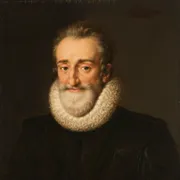 Henry IV1553–1610
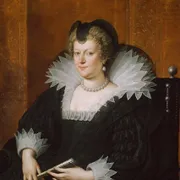 Marie de’ Medici1575–1642
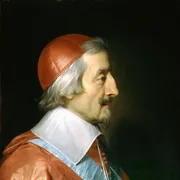 Cardinal Richelieu1585–1642
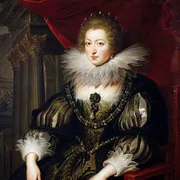 Anne of Austria1601–1666
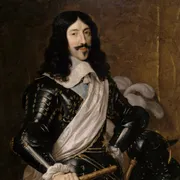 Louis XIII1601–1643
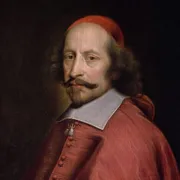 Cardinal Mazarin1602–1661
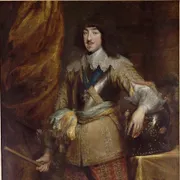 Gaston, Duke of Orléans1608–1660
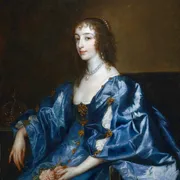 Henrietta Maria of France1609–1669
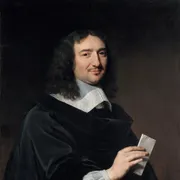 Jean-Baptiste Colbert1619–1683
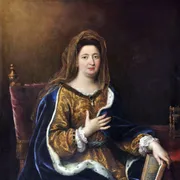 Madame de Maintenon1635–1719
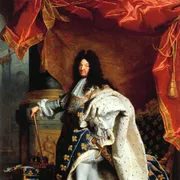 Louis XIV1638–1715
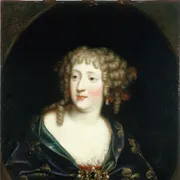 Maria Theresa of Spain1638–1683
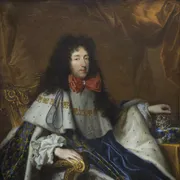 Philippe I, Duke of Orléans1640–1701
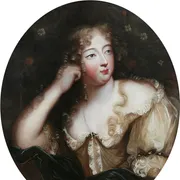 Madame de Montespan1640–1707
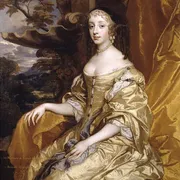 Henrietta of England1644–1670
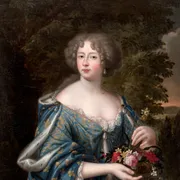
 Louis, Grand Dauphin1661–1711
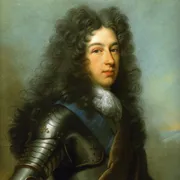 Louis, Duke of Burgundy1682–1712
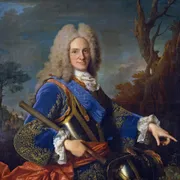 Philip V of Spain1683–1746
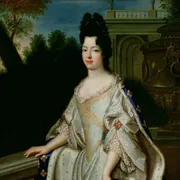 Marie-Adélaïde of Savoy1685–1712
Chronica
Chronology
- 15891 August 1589
Henry III assassinated
Henry III was stabbed by the Dominican friar Jacques Clément; dying, he recognised Henry of Navarre as his heir. The Valois dynasty was over.
- 159325 July 1593
Henry IV becomes a Catholic
Henry IV abjured Protestantism at the basilica of Saint-Denis and entered Paris the following year.
- 159813 April 1598
Edict of Nantes
Henry IV granted Protestants freedom of worship and fortified towns, ending the Wars of Religion.
- 160017 December 1600
Henry IV marries Marie de' Medici
They met and married at Lyon; the Dauphin Louis was born the next year.
- 16083 July 1608
Champlain founds Quebec
The explorer Samuel de Champlain founded Quebec on the St Lawrence, the beginning of New France.
- 161014 May 1610
Henry IV assassinated
The Catholic fanatic Ravaillac stabbed Henry IV to death when the king's carriage was held up in a Paris street. Nine-year-old Louis XIII succeeded, with Marie de' Medici as regent.
- 161521 November 1615
Louis XIII marries Anne of Austria
The two fourteen-year-olds married at Bordeaux, while Louis's sister went to Spain as a bride.
- 162413 August 1624
Richelieu becomes chief minister
Cardinal Richelieu entered the king's council, and governed France until his death in 1642.
- 162828 October 1628
La Rochelle surrenders
After a fourteen-month siege by Richelieu, most of whose inhabitants had starved, the Protestant stronghold of La Rochelle surrendered. The Huguenots lost their military power but kept their freedom of worship.
- 163011 November 1630
The Day of the Dupes
Marie de' Medici believed she had persuaded Louis XIII to dismiss Richelieu, but the king stood by his minister. The queen mother fled abroad the next year, never to return.
- 163529 January 1635
Académie française founded
Richelieu founded the Académie française to regulate the French language and compile its dictionary.
- 16385 September 1638
Birth of Louis XIV
After twenty-three years of marriage the queen gave birth to a Dauphin at Saint-Germain-en-Laye; France hailed him as "Louis the God-given".
- 164314 May 1643
Louis XIV becomes king at four
Louis XIII died; Anne of Austria became regent, with Cardinal Mazarin as chief minister.
- 164826 August 1648
The Fronde begins
The Paris Parlement resisted new taxes and Parisians threw up barricades; the royal family fled the next year, the great nobles joined the revolt, and the troubles lasted until 1653.
- 164824 October 1648
Peace of Westphalia
The Thirty Years' War ended; France gained most of Alsace, and Habsburg power was much reduced.
- 16597 November 1659
Peace of the Pyrenees
France made peace with Spain, gaining Roussillon and Artois, and agreed that Louis XIV would marry the Infanta Maria Theresa.
- 16609 June 1660
Louis XIV marries Maria Theresa
The wedding took place at Saint-Jean-de-Luz near the Spanish border.
- 166110 March 1661
Louis XIV takes personal control
The day after Mazarin died, the 22-year-old Louis XIV announced that he would govern without a chief minister. That year the finance superintendent Fouquet was arrested and Colbert took charge of the finances.
- 1664
French East India Company founded
Colbert founded the French East India Company to compete with the English and Dutch in Asian trade.
- 16826 May 1682
The court moves to Versailles
Louis XIV formally moved the court and government to Versailles, where the nobility had to attend the king to win his favour.
- 16853 March 1685
Louis XIV sends Jesuits to China
Five 'King's Mathematicians', among them Jean de Fontaney, Joachim Bouvet and Jean-François Gerbillon, sailed from Brest; they reached Beijing in 1688 and were received by the Kangxi Emperor, and Bouvet and Gerbillon stayed at court to teach him mathematics.
- 168518 October 1685
Revocation of the Edict of Nantes
By the Edict of Fontainebleau Louis XIV outlawed Protestantism; some 200,000 Huguenots fled to the Dutch Republic, England, Prussia and beyond.
- 1701
War of the Spanish Succession
When Louis XIV's grandson the Duke of Anjou inherited Spain, Britain, the Dutch Republic and Austria allied against France. The war lasted until 1713–1714.
- 1712February 1712
Measles strikes the royal family
The Duke and Duchess of Burgundy and their elder son died within weeks of each other, leaving Louis XIV's two-year-old great-grandson as his only direct heir.
- 171311 April 1713
Peace of Utrecht
Philip V kept Spain but renounced his rights to France; France ceded Newfoundland and other territories to Britain.
Personae
People of this Era
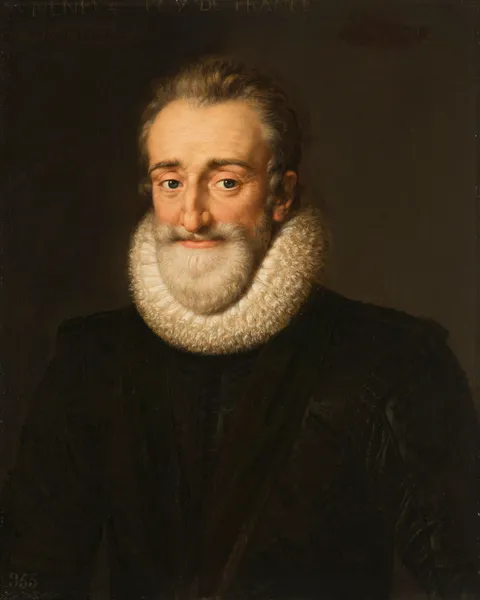 Henry IV1553–1610Biography
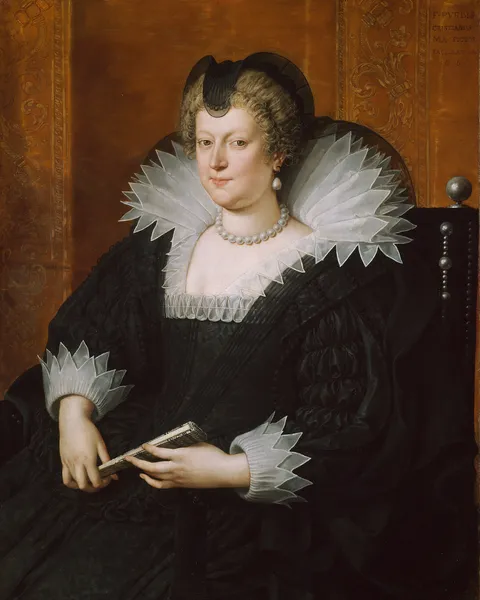 Marie de’ Medici1575–1642
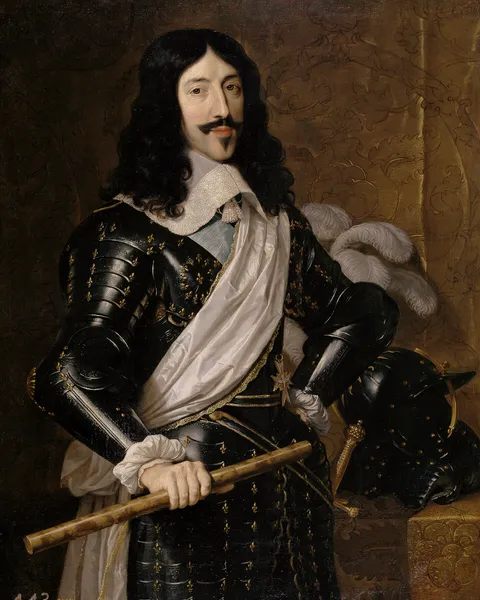 Louis XIII1601–1643
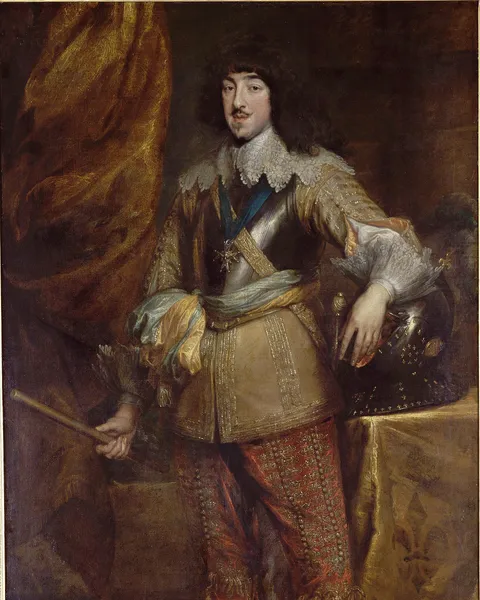 Gaston, Duke of Orléans1608–1660
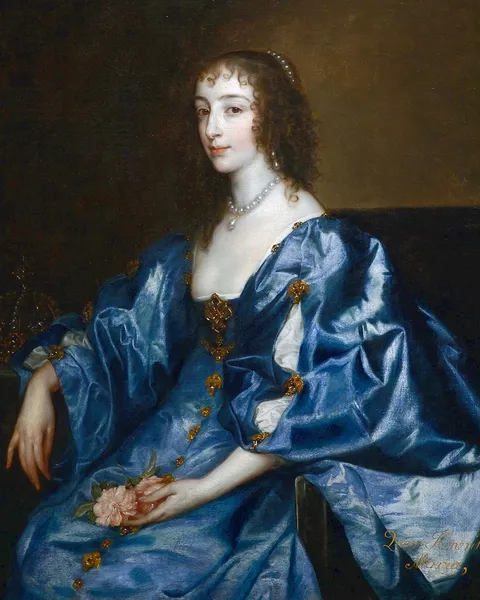 Henrietta Maria of France1609–1669
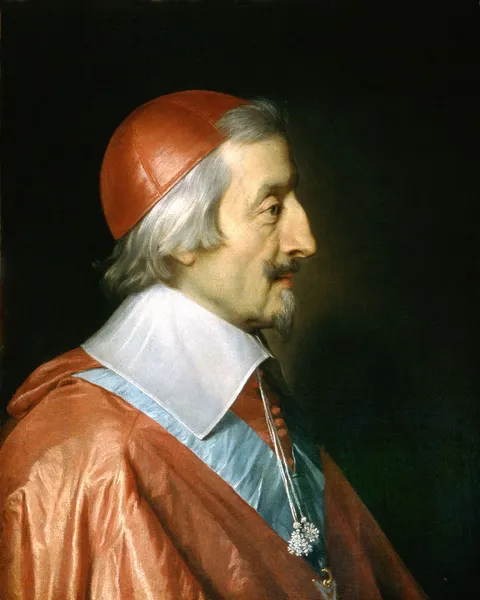 Cardinal Richelieu1585–1642
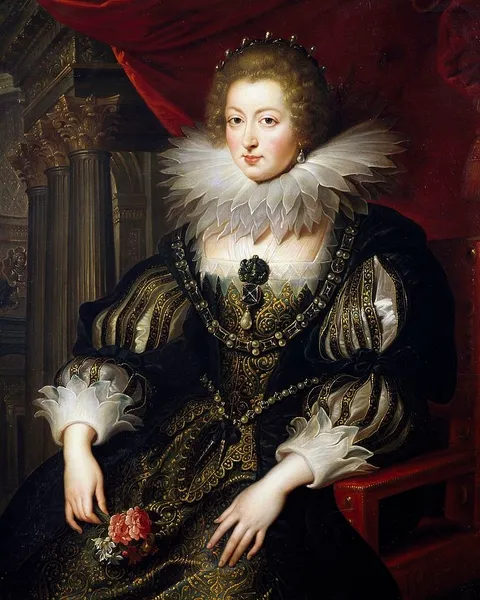 Anne of Austria1601–1666
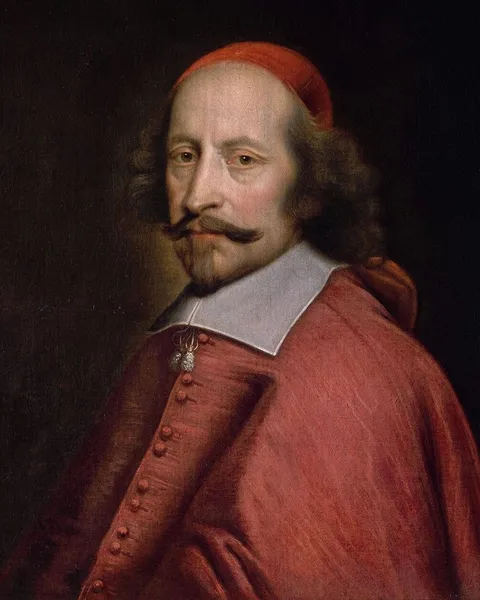 Cardinal Mazarin1602–1661
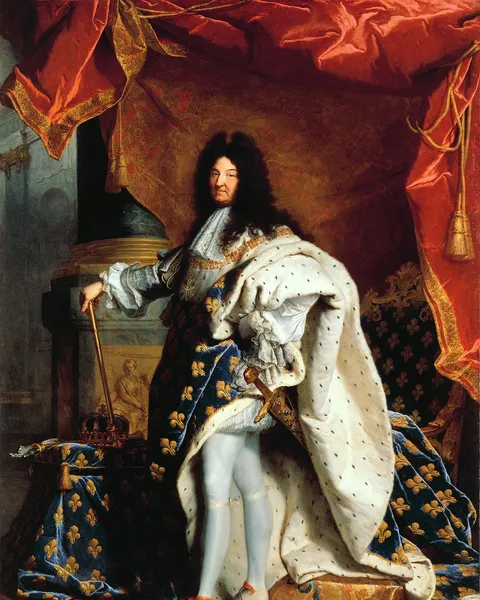 Louis XIV1638–1715Biography
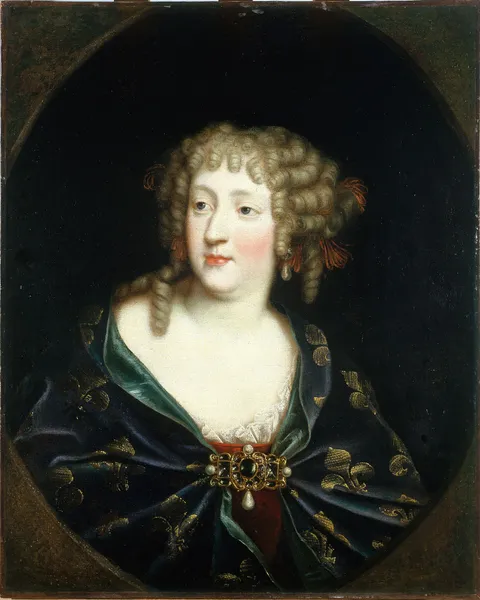 Maria Theresa of Spain1638–1683
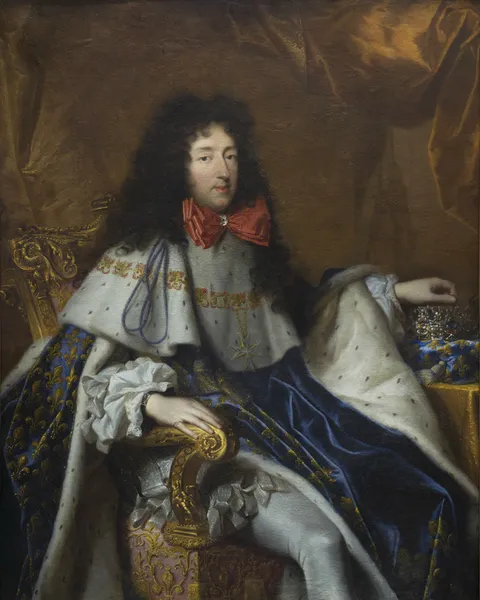 Philippe I, Duke of Orléans1640–1701
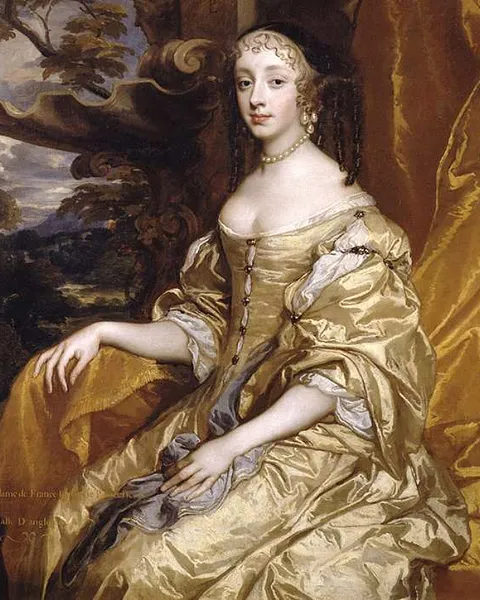 Henrietta of England1644–1670
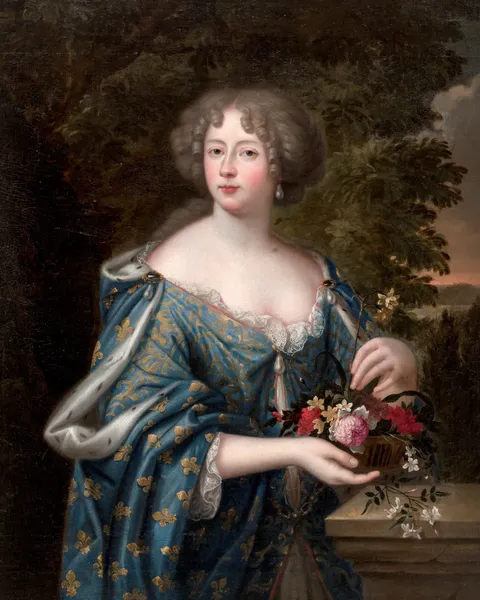
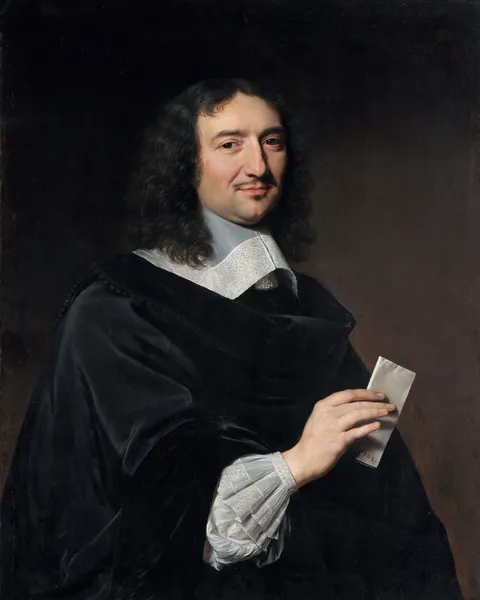 Jean-Baptiste Colbert1619–1683
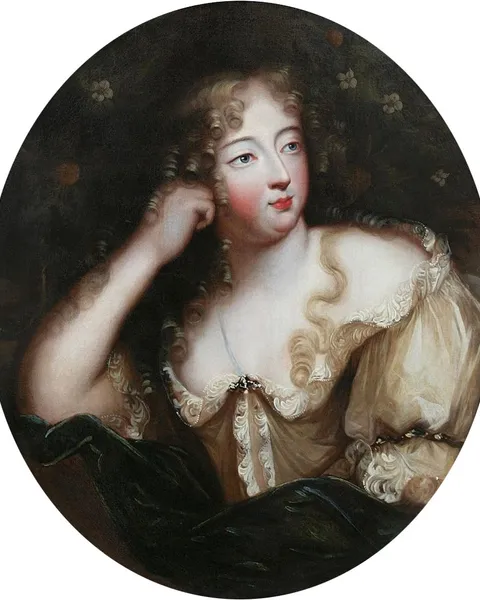 Madame de Montespan1640–1707
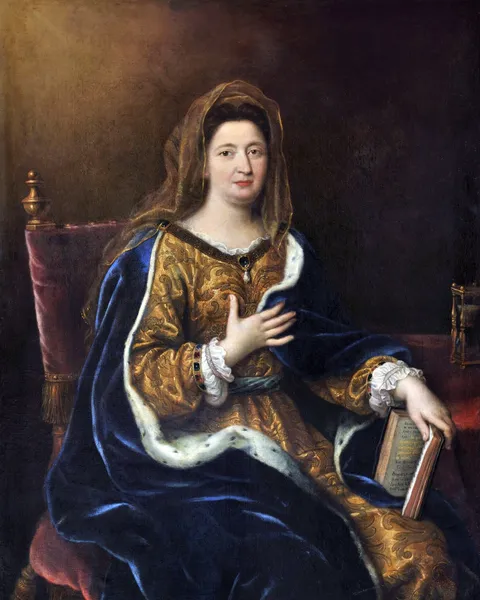 Madame de Maintenon1635–1719
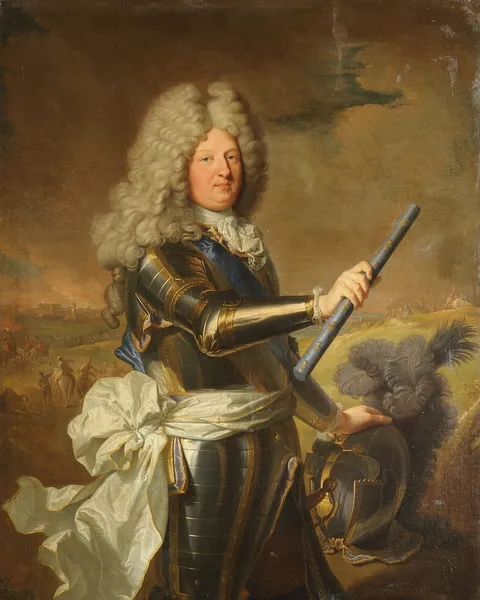 Louis, Grand Dauphin1661–1711
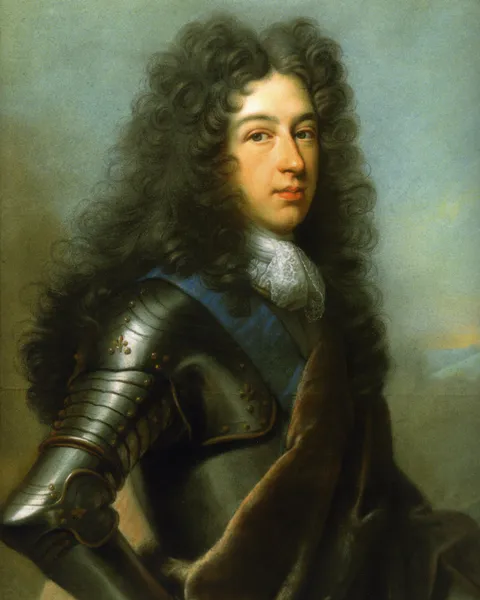 Louis, Duke of Burgundy1682–1712
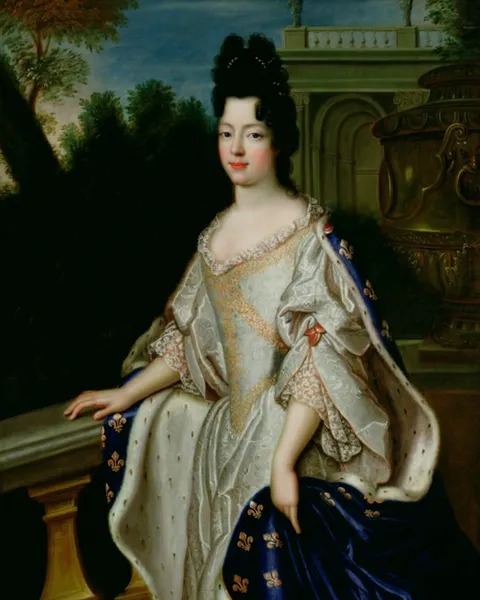 Marie-Adélaïde of Savoy1685–1712
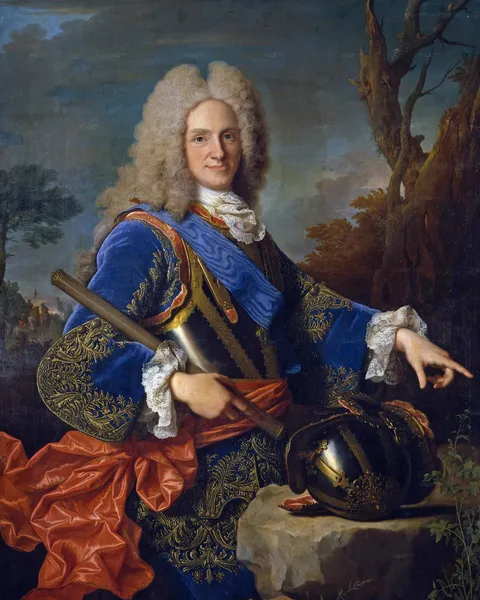 Philip V of Spain1683–1746