Era IV · 1715–1789
The Twilight of the Old Regime
Under Louis XV and Louis XVI Versailles remained as splendid as ever, while Enlightenment ideas spread through the salons; endless wars and aid to American independence emptied the treasury, until a financial crisis forced the king to summon the Estates General.
Overview
Louis XV came to the throne at five, with Philip, Duke of Orléans, as regent. The Scottish financier John Law introduced paper money and the Mississippi Company scheme, whose collapse in 1720 left the French long suspicious of banks and paper money. When Louis XV took power himself he was at first called "the Well-Beloved", but his pleasure-seeking and favourites such as Madame de Pompadour cost him his popularity.
This was the age of the Enlightenment. Voltaire, Montesquieu, Rousseau and Diderot championed reason, religious toleration and the separation of powers, and the Encyclopédie spread new knowledge across Europe. Montesquieu's separation of powers would later shape the American Constitution.
In 1756 France allied with its old enemy Austria — the "Diplomatic Revolution" — but lost the Seven Years' War, giving up Canada and most of its posts in India in 1763. To seal the alliance, in 1770 the Dauphin Louis married the Austrian archduchess Marie Antoinette (see the sister Habsburg site).
Louis XVI came to the throne in 1774. Kind but indecisive, he backed American independence to avenge France on Britain, swelling the national debt. Nobles and clergy refused to give up their exemption from taxes, and reform after reform failed. In 1788, with the state on the edge of bankruptcy, Louis XVI had to announce that the Estates General — not summoned for more than 170 years — would meet the following year.
Imperium
The Changing Map
- France in 1715
- Gained under Louis XV
- Kingdom of Sardinia
Borders are indicative only, approximated from modern administrative regions.
1789
On the eve of the Revolution (1789)
Under Louis XV the duchy of Lorraine passed to France by treaty on the death of his father-in-law Stanisław (1766), and in 1768 France bought Corsica from Genoa — the year before Napoleon was born there. France's borders were now close to today's; only Savoy and Nice still belonged to the Kingdom of Sardinia.
Stemma
Family Tree
The principal figures of this era. Gold frames mark kings and emperors of France; diamonds mark marriages. Select a person to open their entry.
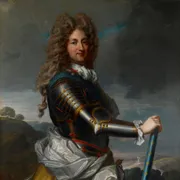 Philippe II, Duke of Orléans1674–1723
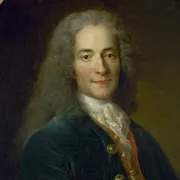 Voltaire1694–1778
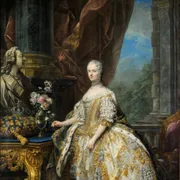 Marie Leszczyńska1703–1768
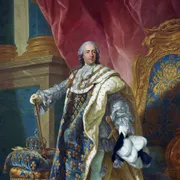 Louis XV1710–1774
 Madame de Pompadour1721–1764
 Louis Ferdinand, Dauphin of France1729–1765
 Maria Josepha of Saxony1731–1767
 Madame du Barry1743–1793
 Louis Philippe II, Duke of Orléans1747–1793
 Louis XVI1754–1793
 Marie Antoinette1755–1793
Chronica
Chronology
- 17151 September 1715
Death of Louis XIV
Louis XIV died at Versailles after a reign of seventy-two years. His five-year-old great-grandson became Louis XV, with the Duke of Orléans as regent.
- 1720
Collapse of John Law's System
Shares in the Mississippi Company crashed, paper money lost its credit, and investors were ruined.
- 1751
First volume of the Encyclopédie
The Encyclopédie edited by Diderot and d'Alembert began to appear, gathering the work of the Enlightenment thinkers; it was banned more than once.
- 17561 May 1756
The Diplomatic Revolution
France allied with its old enemy Austria by the Treaty of Versailles, and the Seven Years' War broke out.
- 176310 February 1763
Treaty of Paris (1763)
The Seven Years' War ended; France ceded Canada to Britain and kept only a few trading posts in India.
- 177016 May 1770
The Dauphin marries Marie Antoinette
The wedding at Versailles sealed the Franco-Austrian alliance.
- 177410 May 1774
Death of Louis XV
Louis XV died of smallpox and was succeeded by his grandson Louis XVI.
- 17786 February 1778
France allies with the United States
France recognised American independence and went to war with Britain. In 1781 French and American forces forced the British surrender at Yorktown — but French debts soared.
Personae
People of this Era
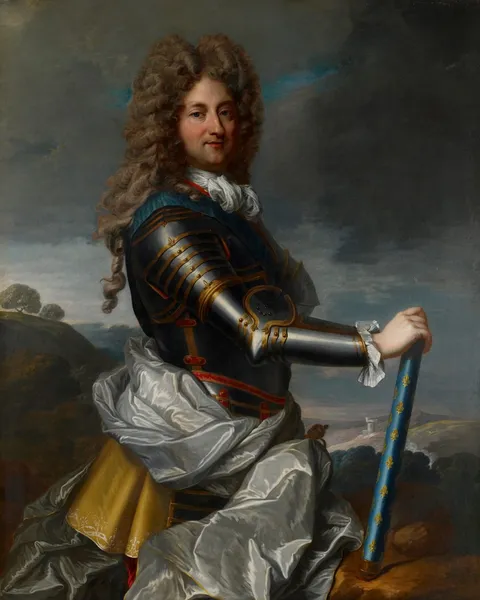 Philippe II, Duke of Orléans1674–1723
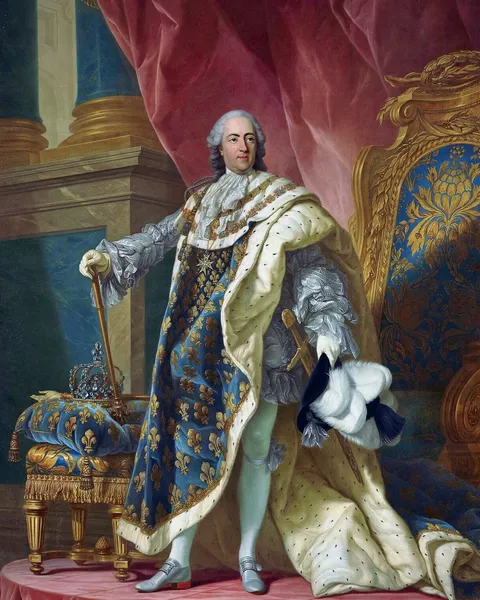 Louis XV1710–1774
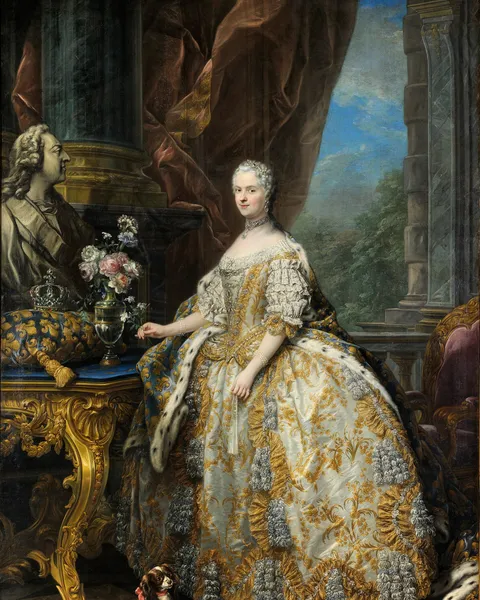 Marie Leszczyńska1703–1768
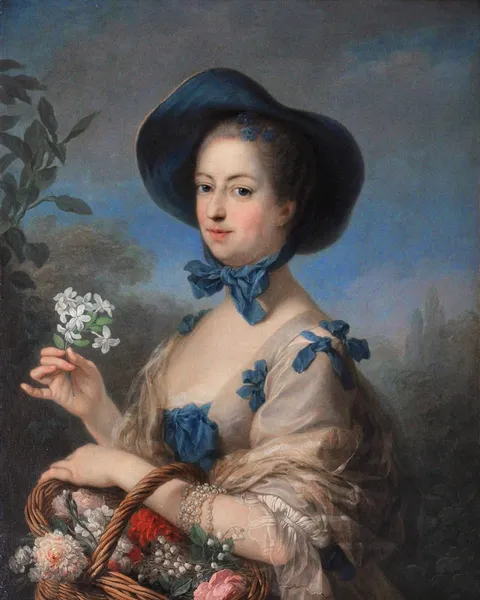 Madame de Pompadour1721–1764
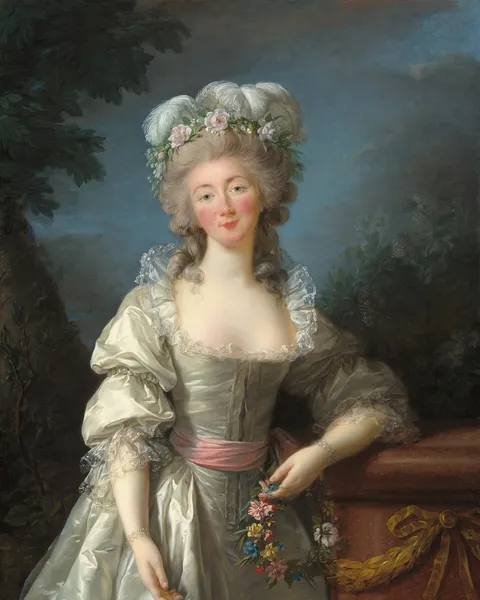 Madame du Barry1743–1793
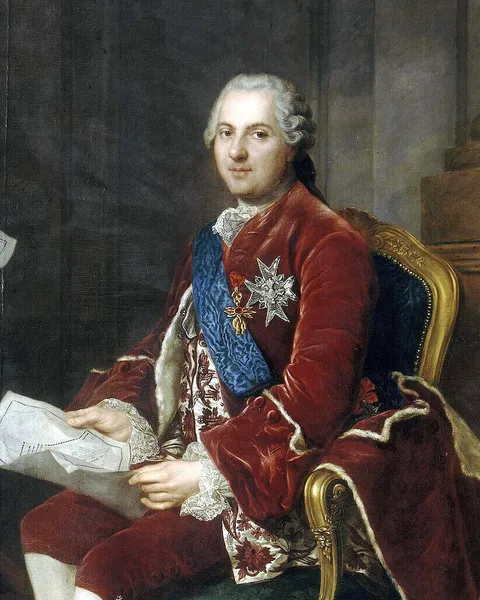 Louis Ferdinand, Dauphin of France1729–1765
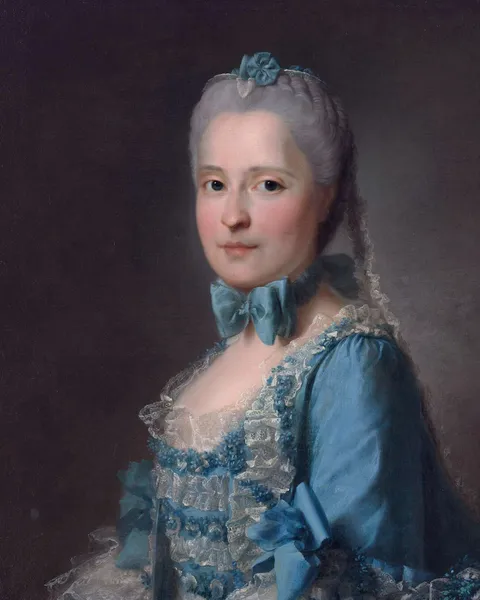 Maria Josepha of Saxony1731–1767
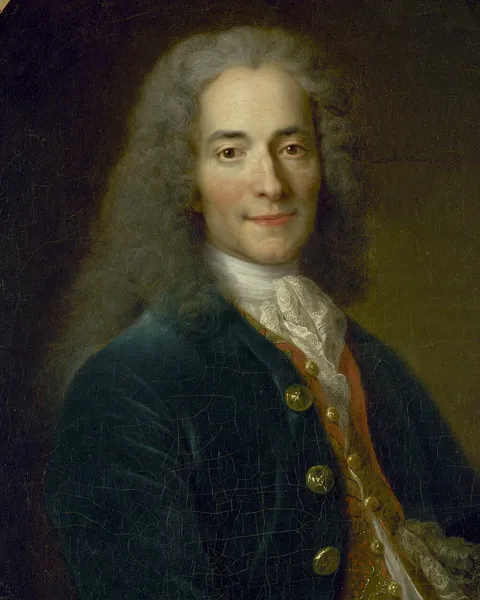 Voltaire1694–1778
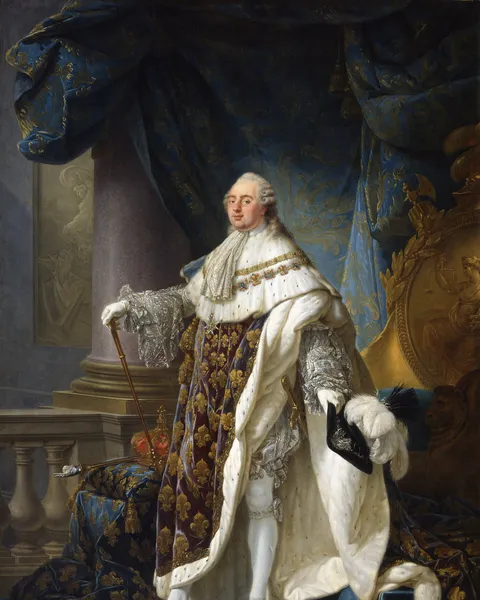 Louis XVI1754–1793
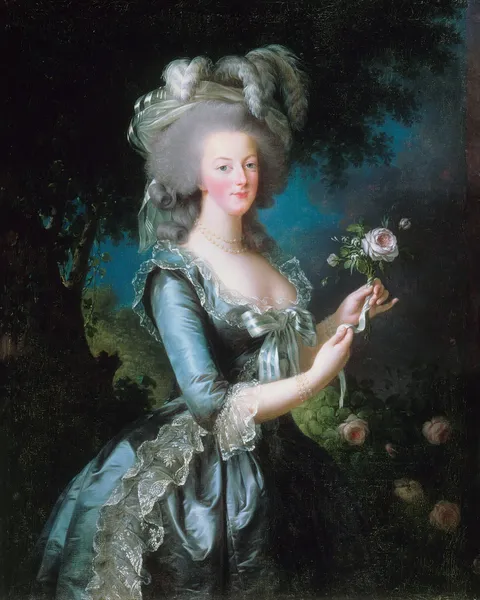 Marie Antoinette1755–1793Biography
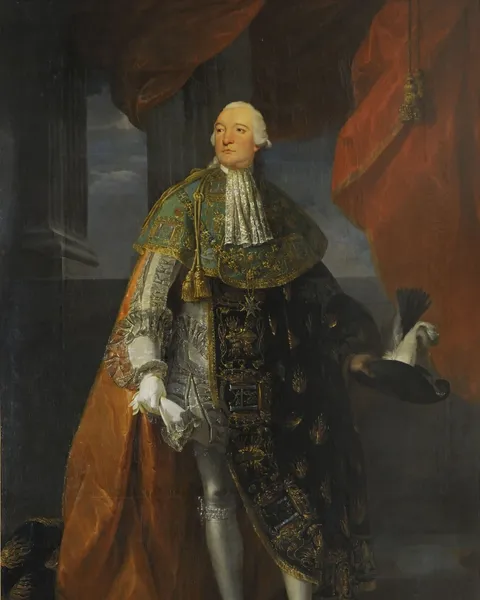 Louis Philippe II, Duke of Orléans1747–1793