Era V · 1789–1815
Revolution and Napoleon
The Bastille fell and the monarchy collapsed within three years; Louis XVI and his queen died on the guillotine. Out of war and the Terror rose a Corsican officer, Napoleon, who crowned himself emperor and dominated Europe for a decade.
Overview
The Estates General met in May 1789, and the deputies of the Third Estate declared themselves a National Assembly. On 14 July the people of Paris stormed the Bastille; in August the Assembly abolished feudal privileges and adopted the Declaration of the Rights of Man and of the Citizen. In 1791 the royal family tried to flee but was caught at Varennes, and the king's authority collapsed. In 1792 France went to war with Austria and Prussia, and in September the monarchy was abolished and a republic proclaimed.
In January 1793 Louis XVI was executed for treason, and in October Queen Marie Antoinette followed him to the guillotine. The Committee of Public Safety led by Robespierre imposed the Terror, in which tens of thousands were put to death, until Robespierre himself fell in 1794.
A young artillery officer, Napoleon Bonaparte, won dazzling victories in the wars abroad, and in the coup of 18 Brumaire in 1799 made himself First Consul. His Civil Code established equality before the law and the rights of property, and remains the basis of civil law in many countries. In December 1804 he was crowned Emperor of the French in Notre-Dame.
Napoleon crushed Austria and Russia at Austerlitz and elsewhere, and in 1810 married the Austrian archduchess Marie-Louise. His invasion of Russia in 1812 ended in disaster; in 1814 he was forced to abdicate and exiled to Elba. The next year he escaped and ruled again for the "Hundred Days", until he was defeated by the British and Prussians at Waterloo and exiled to St Helena in the South Atlantic, where he died in 1821.
Imperium
The Changing Map
- French Empire
- Dependent states
- Forced allies
Borders are indicative only, approximated from modern administrative regions.
1812
Napoleon at his height (1812)
In 1812 the French Empire stretched from Hamburg to Rome in 130 departments, ringed by dependent states: the Kingdom of Italy with Napoleon as king, his brother-in-law Murat's Kingdom of Naples, his brother Joseph's Spain, the Confederation of the Rhine, Switzerland and the Duchy of Warsaw. Prussia and Austria were forced into alliance and sent troops for the invasion of Russia.
Stemma
Family Tree
The principal figures of this era. Gold frames mark kings and emperors of France; diamonds mark marriages. Select a person to open their entry.
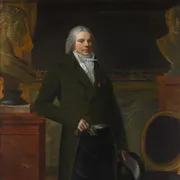 Talleyrand1754–1838
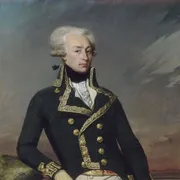 Lafayette1757–1834
 Maximilien Robespierre1758–1794
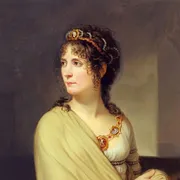 Joséphine de Beauharnais1763–1814
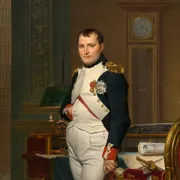 Napoleon I1769–1821
 Louis Bonaparte1778–1846
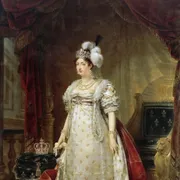 Marie-Thérèse of France1778–1851
 Hortense de Beauharnais1783–1837
 Louis-Charles, Dauphin of France1785–1795
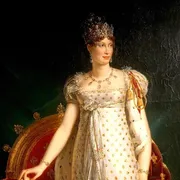 Marie-Louise of Austria1791–1847
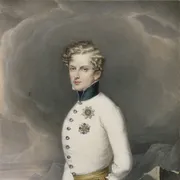 Napoleon II1811–1832
Chronica
Chronology
- 17895 May 1789
The Estates General meets at Versailles
The first Estates General since 1614. In June the Third Estate declared itself the National Assembly.
- 178914 July 1789
Storming of the Bastille
The people of Paris stormed the Bastille, symbol of royal despotism; 14 July later became France's national day.
- 178926 August 1789
Declaration of the Rights of Man and of the Citizen
The National Assembly declared that men are born free and equal in rights, and that sovereignty resides in the nation.
- 179121 June 1791
Flight to Varennes
The royal family fled in disguise but were recognised and stopped at Varennes; the king's credibility never recovered.
- 179221 September 1792
Monarchy abolished; the Republic proclaimed
At its first sitting the National Convention abolished the monarchy; the next day became the first day of Year I of the Republic.
- 179321 January 1793
Execution of Louis XVI
'Citizen Louis Capet' was guillotined on the Place de la Révolution, today's Place de la Concorde. Queen Marie Antoinette followed on 16 October.
- 179427 July 1794
The fall of Robespierre
The Convention turned on Robespierre and sent him to the guillotine the next day, ending the Terror.
- 17999 November 1799
Coup of 18 Brumaire
Napoleon Bonaparte overthrew the Directory and became First Consul.
- 180421 March 1804
The Civil Code promulgated
The Code established equality before the law, the rights of property and civil marriage, and influenced civil law across Europe and beyond.
- 18042 December 1804
Coronation of Napoleon
In Notre-Dame, with Pope Pius VII looking on, Napoleon placed the crown on his own head and then crowned Josephine.
- 18052 December 1805
Battle of Austerlitz
Napoleon crushed the Austrian and Russian armies; the Holy Roman Empire was dissolved the following year.
- 18101 April 1810
Napoleon marries Marie-Louise
Having divorced Josephine, Napoleon married Marie-Louise, daughter of Emperor Francis I of Austria; their son, the 'King of Rome', was born the next year.
- 181120 March 1811
Birth of the King of Rome
Marie-Louise gave birth to Napoleon's heir at the Tuileries, greeted by a 101-gun salute.
- 181224 June 1812
Napoleon invades Russia
An army of over 600,000 crossed the Niemen and reached Moscow in September; the winter retreat destroyed it, and fewer than one in ten came back.
- 18143 May 1814
Louis XVIII enters Paris
After Napoleon's abdication Louis XVIII returned to Paris with the backing of the allies, and granted the Charter the following month.
Personae
People of this Era
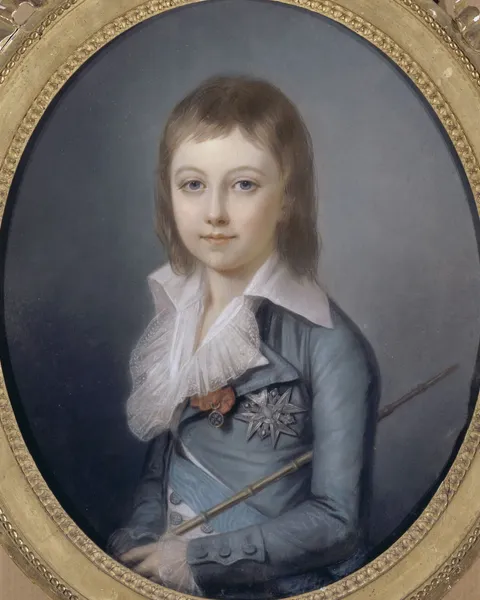 Louis-Charles, Dauphin of France1785–1795
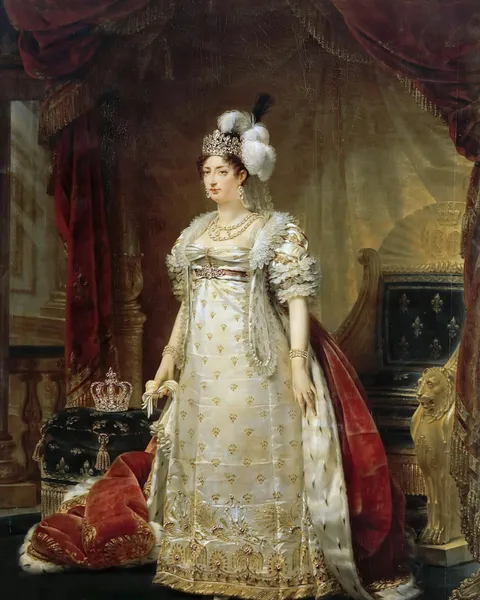 Marie-Thérèse of France1778–1851
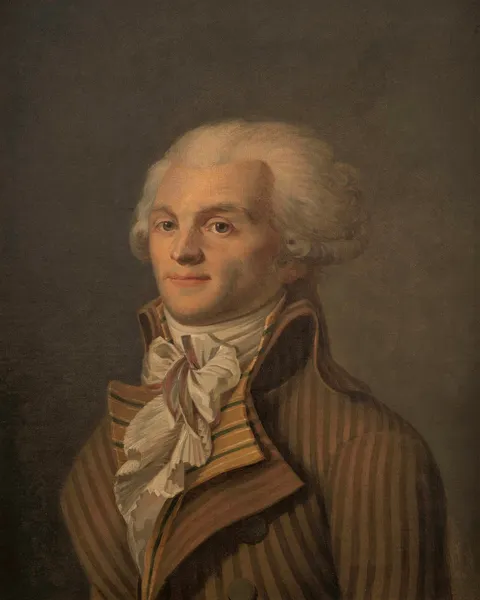 Maximilien Robespierre1758–1794
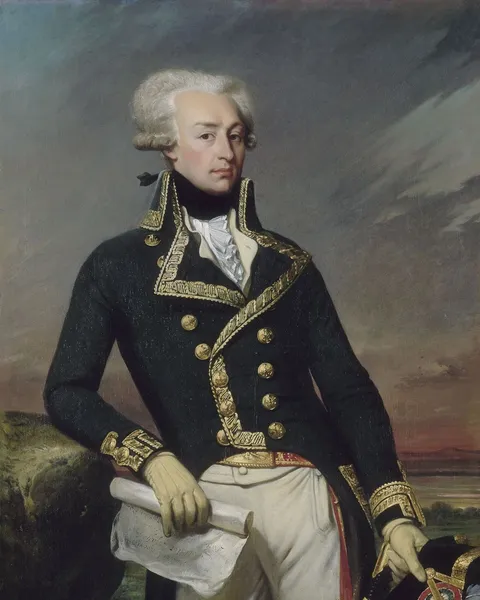 Lafayette1757–1834
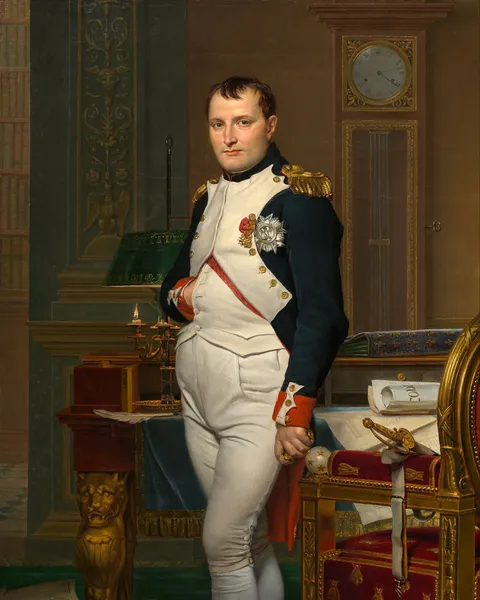 Napoleon I1769–1821Biography
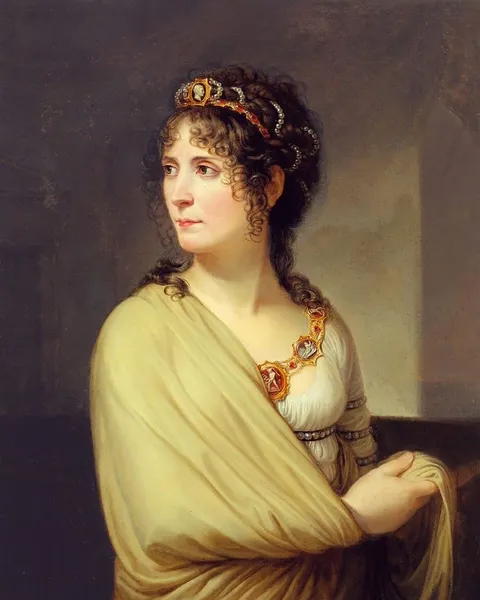 Joséphine de Beauharnais1763–1814
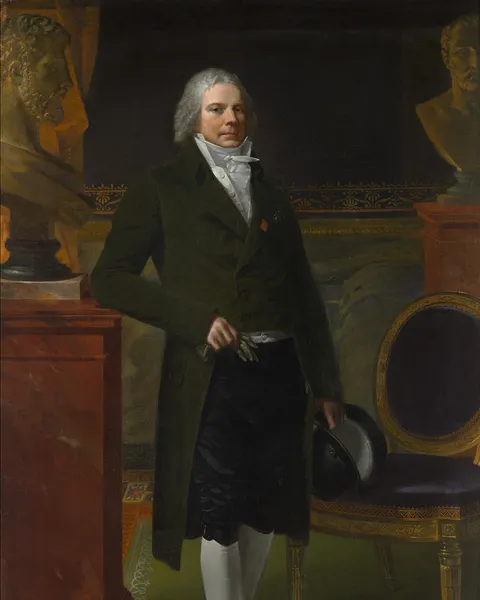 Talleyrand1754–1838
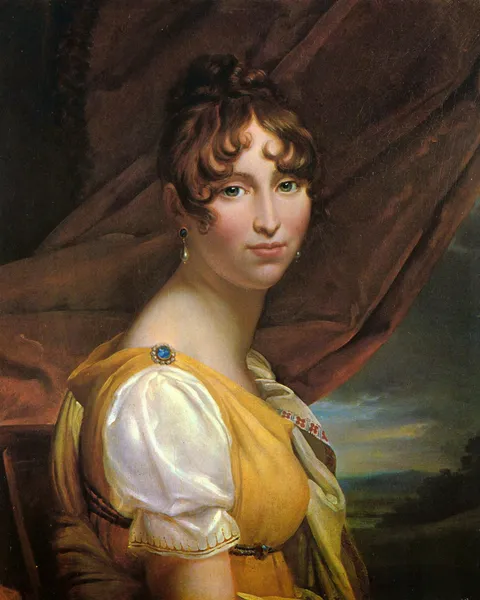 Hortense de Beauharnais1783–1837
 Louis Bonaparte1778–1846
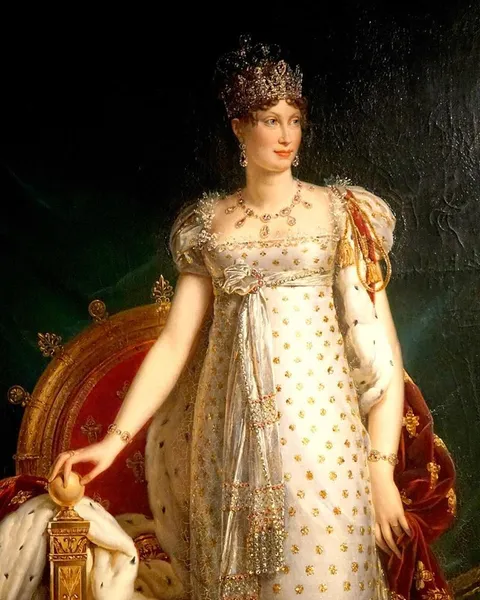 Marie-Louise of Austria1791–1847
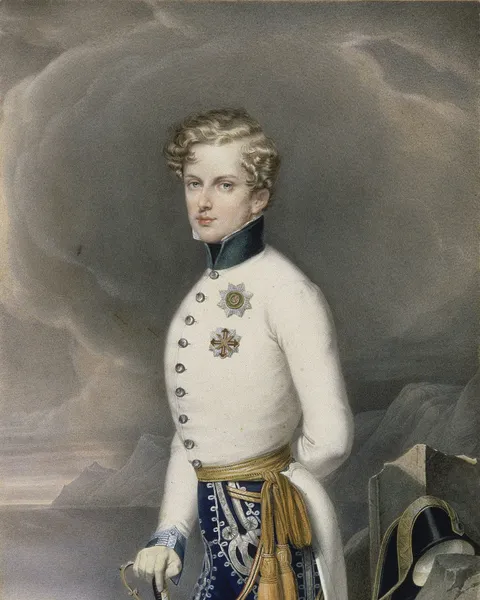 Napoleon II1811–1832